-
Image description
1993/ Ref: 596bis
Criterion
Criterion (iv) The Transylvanian villages with fortified churches provide a vivid picture of the cultural landscape of southern Transylvania. They are characterized by the specific land-use system, settlement pattern, and organization of the family farmstead units preserved since the late Middle Ages, dominated by their fortified churches, which illustrate building periods from the 13th to the 16th centuries.
Villages with Fortified Churches in Transylvania
The seven villages in Transylvania that comprise this serial property are outstanding examples of a specific vernacular tradition in southeastern Europe: Câlnic, Valea Viilor, Biertan, Saschiz, Dârjiu, Viscri, and Prejmer each form a compact unit around a fortified church. Originally settled by Transylvanian Saxons and neighbouring Szeklers, these well-preserved, homogenous villages are representative of a group of about 150 such settlements with fortified churches that is unique in the world.
During the 12th and 13th centuries, the Hungarian Crown encouraged a German-speaking population of artisans, farmers, and merchants originating from the lower region of the Rhine and Moseley rivers to colonize its new territories. Known as Transylvanian Saxons, these settlers enjoyed special privileges as “guests on the king’s lands.” In exchange, they had to systematize and defend this vast region in the foothills of the Carpathian Mountains.
The Saxons brought with them the Flemish pattern of land organization, characterized by compactness and regularity, tightly organized groups of farmstead units and households, and community cohesion, all of which contributed to their villages’ distinctive pattern of development. The urban form established during colonization – wherein the church and the community leader’s house stood at or near the centre of the village and houses were closely aligned along one or two streets or clustered around a square – can be easily detected in the present structure of Saxon villages in Transylvania.
Being situated in a region constantly under threat of Ottoman and Tartar invasions, the Transylvanian Saxons built fortifications. While their important towns were fully fortified, their smaller communities’ fortifications were focused on the central church, where defensive towers were added to help withstand long sieges and storehouses were included to safeguard the villages’ most valuable goods. The extent of fortification varies from a small enclosure around the church, to a row of fortifications around the church, to a complete fortress with multiple fortification walls centred on the church. The churches themselves have also been adapted to include defensive functions. These buildings often include many additions, ranging in age from the late Middle Ages when the churches were originally built to the 16th century. All of them are either Romanesque basilicas or single-nave churches of the late Gothic period. Many also include baroque elements, as the baroque style was very popular in the region during the late 18th century. Collectively, the villages with fortified churches in Transylvania provide a vivid picture of the cultural landscape of this region.
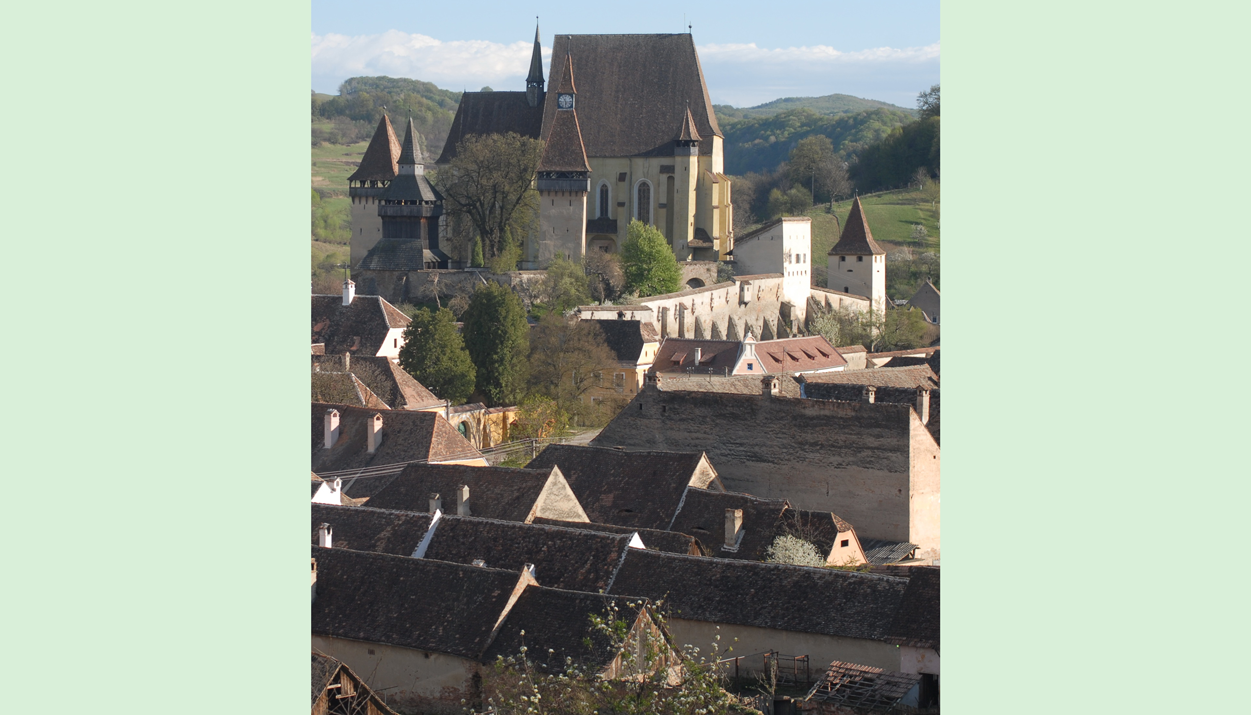
Biertan. Satul și biserica fortificată
-
Biertan. The Village and the fortified church
-
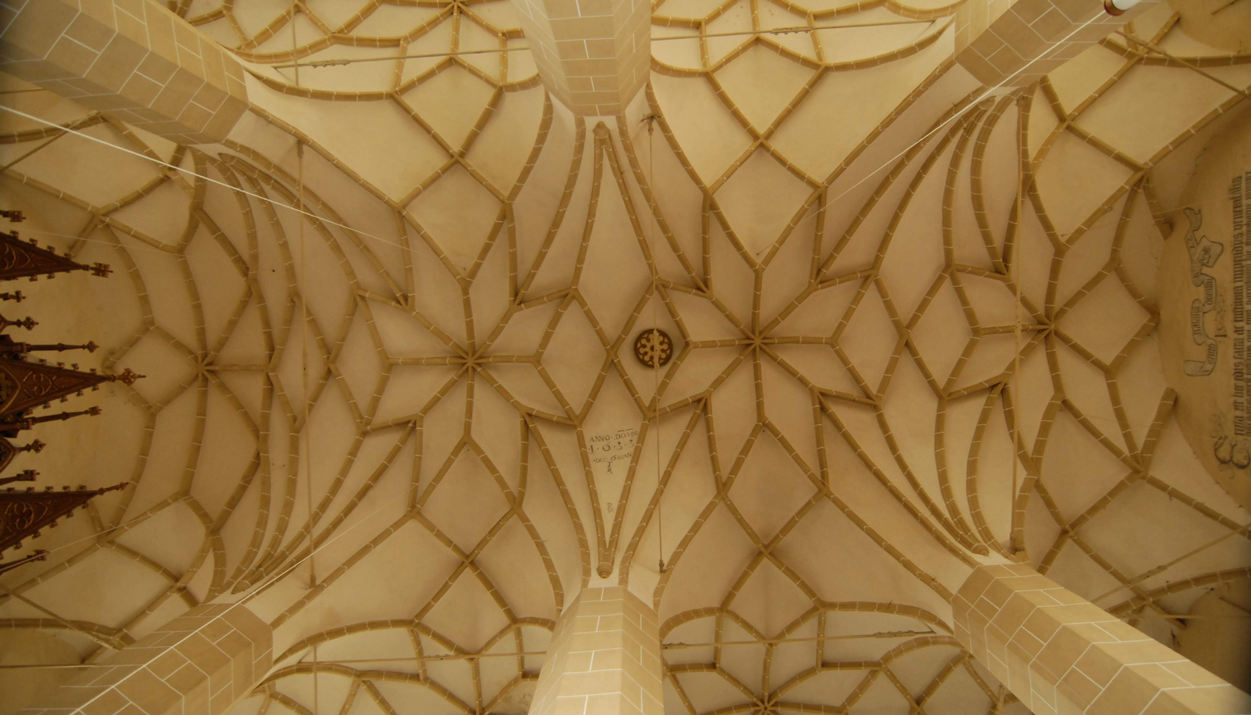
The late-Gothic vault of the fortified church in Biertan
Satul este atestat documentar la 1283. Biserica-hală, gotică târzie cu elemente de renaştere (înc. sec. XVI), este înconjurată de trei incinte fortificate (sec. XVI). În biserică sunt păstrate valoroase piese de mobilier de cult ex. altarul poliptic (1483 şi 1515), amvon, strane (începutul sec. XVI).
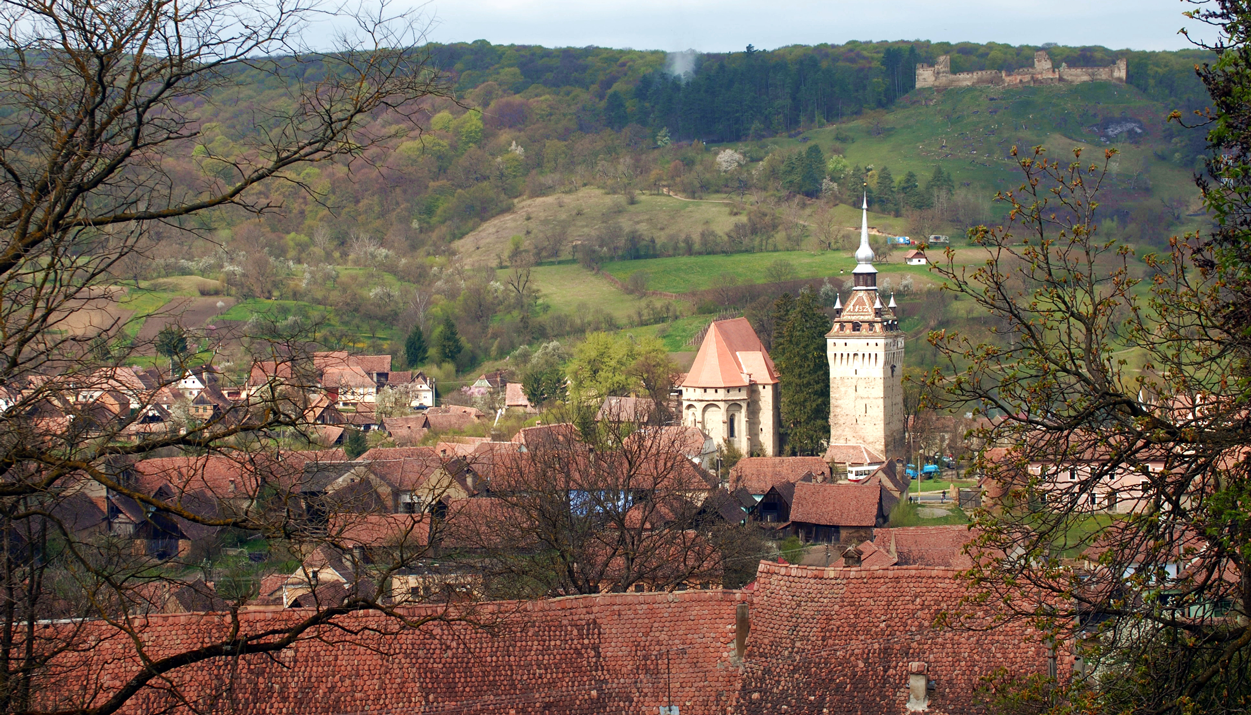
Saschiz. Satul, biserica fortificată și cetatea
-
Saschiz. The village, the fortified church and the citadel
-
Front street with 18th – 18th c. houses
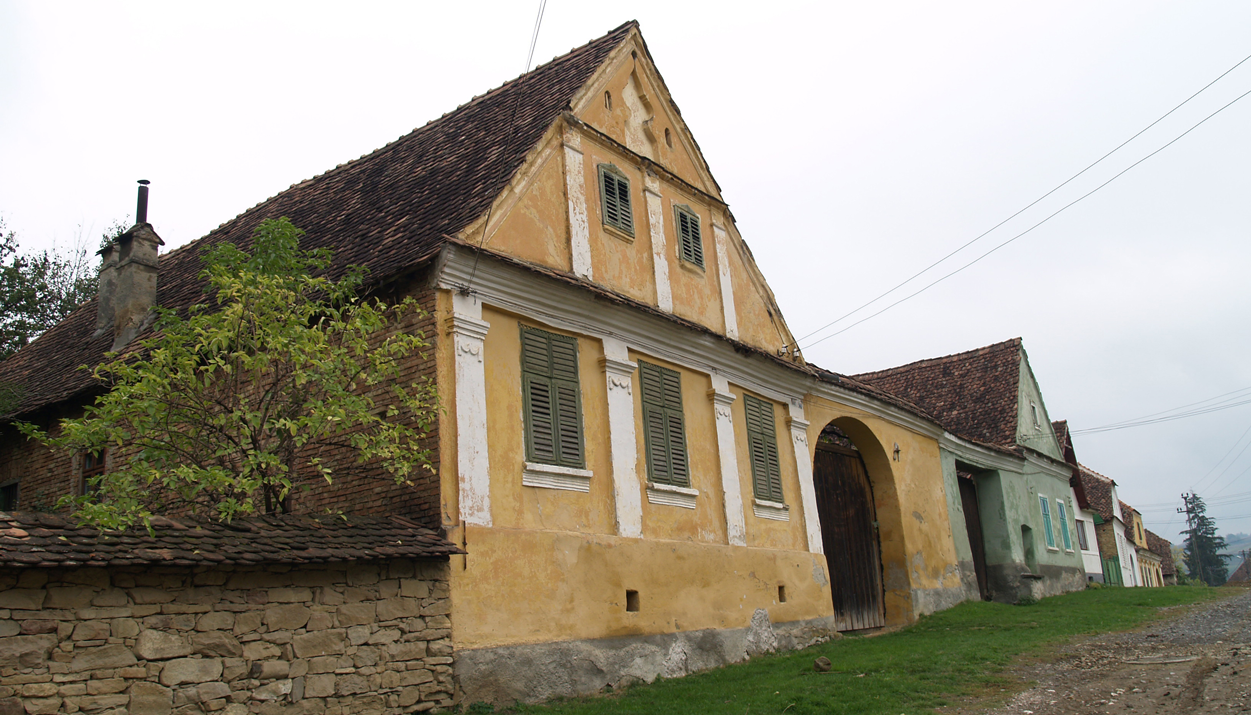
Satul este atestat documentar la 1283. Biserica-hală, gotică târzie cu elemente de renaştere (înc. sec. XVI), este înconjurată de trei incinte fortificate (sec. XVI). În biserică sunt păstrate valoroase piese de mobilier de cult ex. altarul poliptic (1483 şi 1515), amvon, strane (începutul sec. XVI).
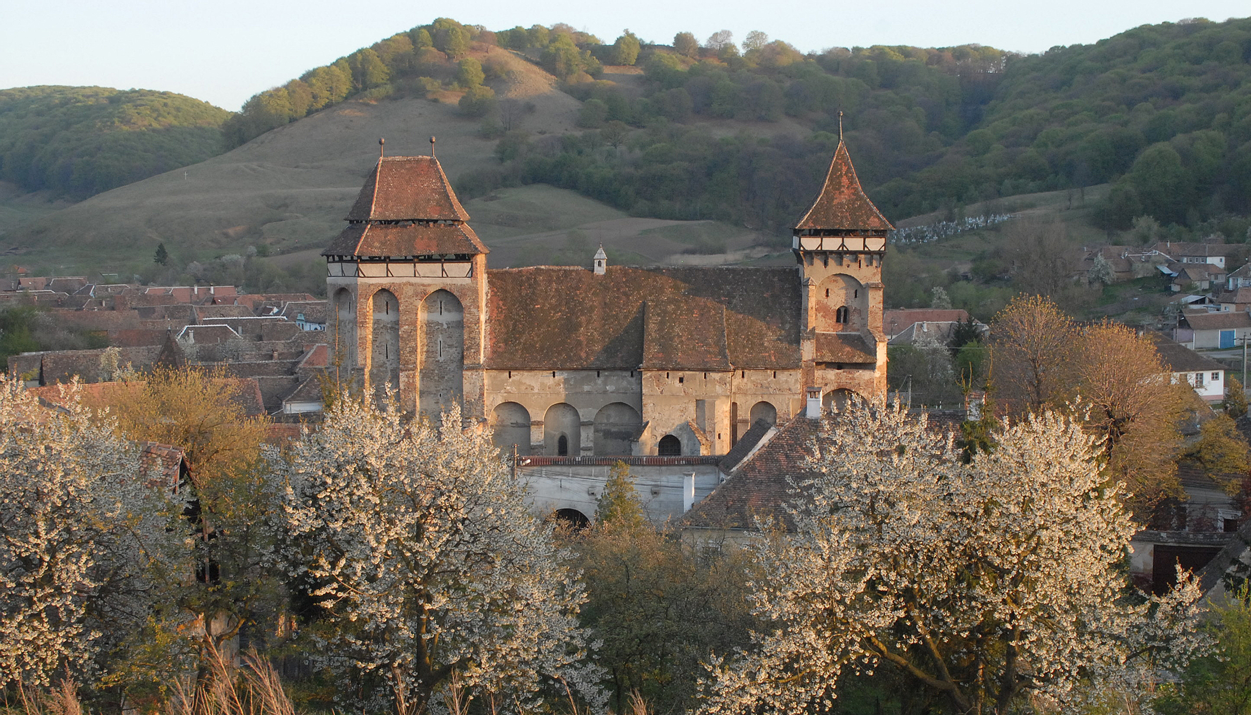
Valea Viilor. Satul și biserica fortificată
-
Valea Viilor. The village and the fortified church
Localitate amintită documentar în 1263. Bazilica “Sf. Petru”, atestată în 1414, a fost transformată între 1520-1525 într-o biserică sală în stil gotic târziu şi înzestrată la exterior cu amenajări defensive de o complexitate ce-i conferă caracterul unei fortăreţe.
Viscri. Biserica fortificată
-
Viscri. The fortified church
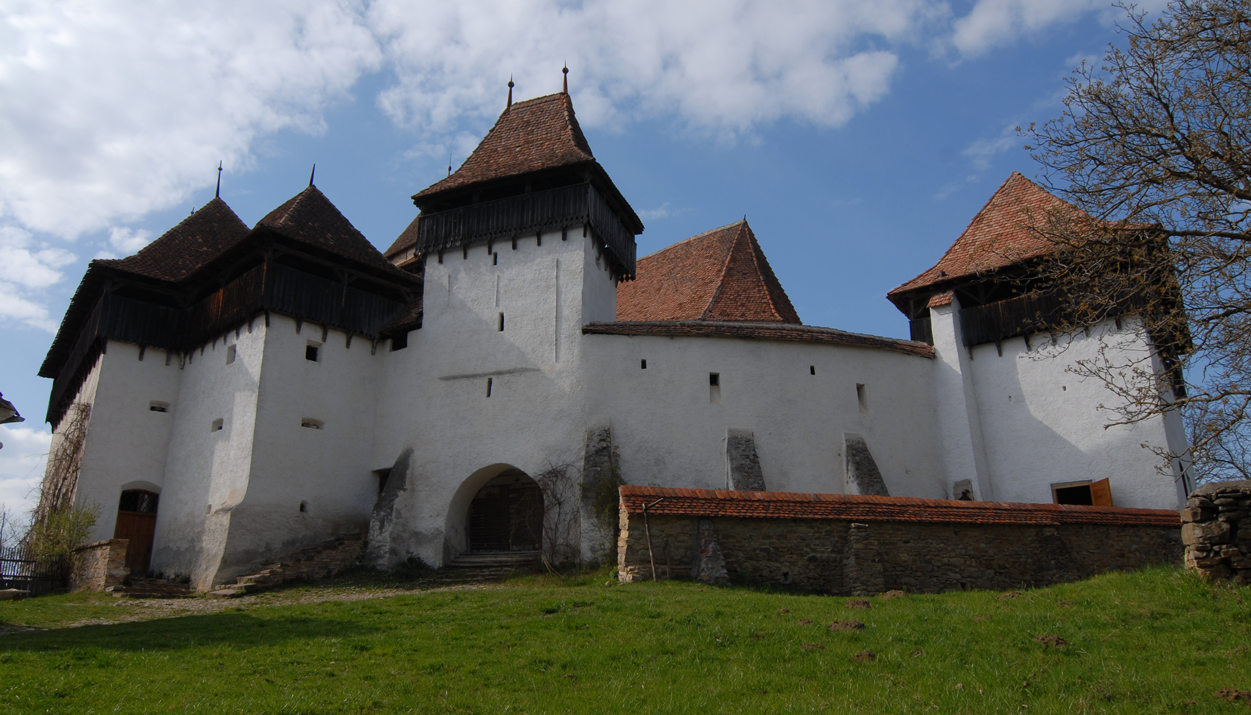
Localitate atestată documentar în 1400. Biserica evanghelică este o sală gotică construită în secolul XIV înglobând vestigii din secolele XII-XIII. La începutul secolului XVI a fost fortificată cu un etaj de apărare şi o incintă de zid cu turnuri şi bastioane, amplificată în secolul XVII şi dublată în secolul XVIII.
Dârjiu. Biserica fortificată. Vedere interioară cu fresce din 1419
-
Dârjiu. The fortified church. Inner view with frescoes from 1419
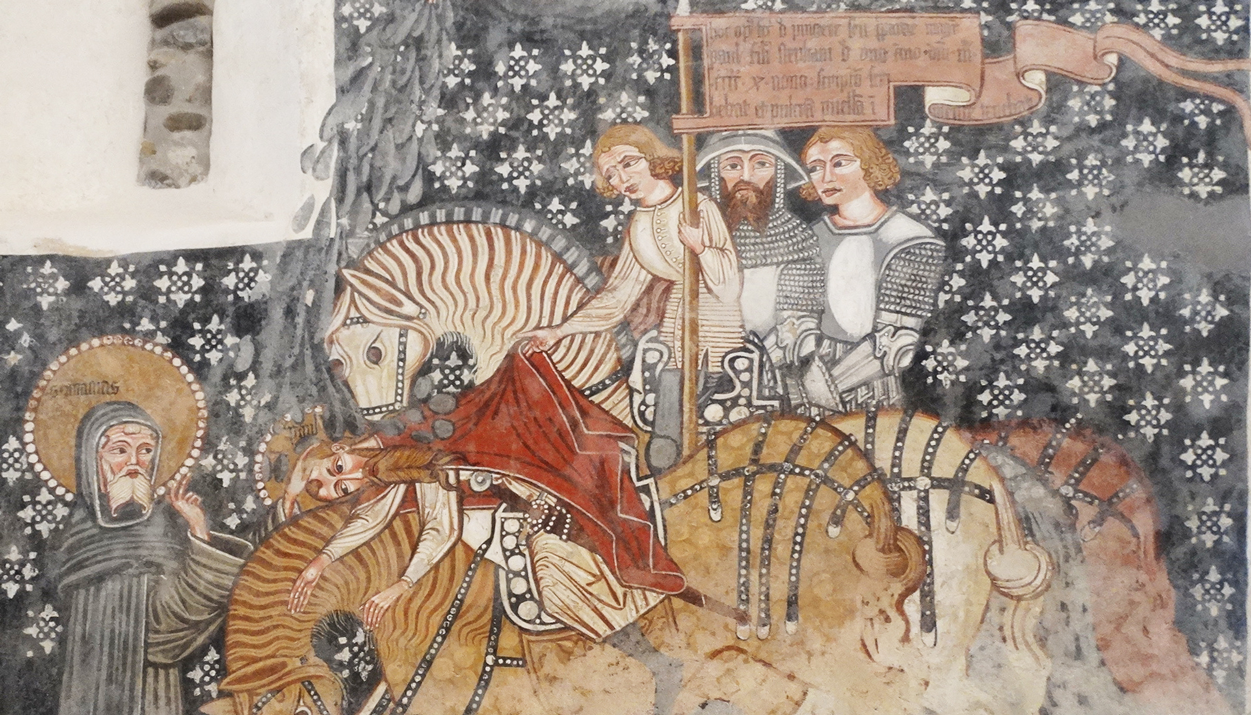
Localitate atestată documentar în 1334. Biserica unitariană este o sală gotică construită la începutul secolului XV, transformată în stil gotic târziu şi fortificată cu etaj de apărare şi zid de incintă cu turnuri la începutul secolului XVI. Adăposteşte valoroase fresce aparţinând goticului internaţional, datate 1419.
Prejmer. Incinta fortificată cu camere de refugiu
-
Prejmer. Fortified precincts with refuge rooms
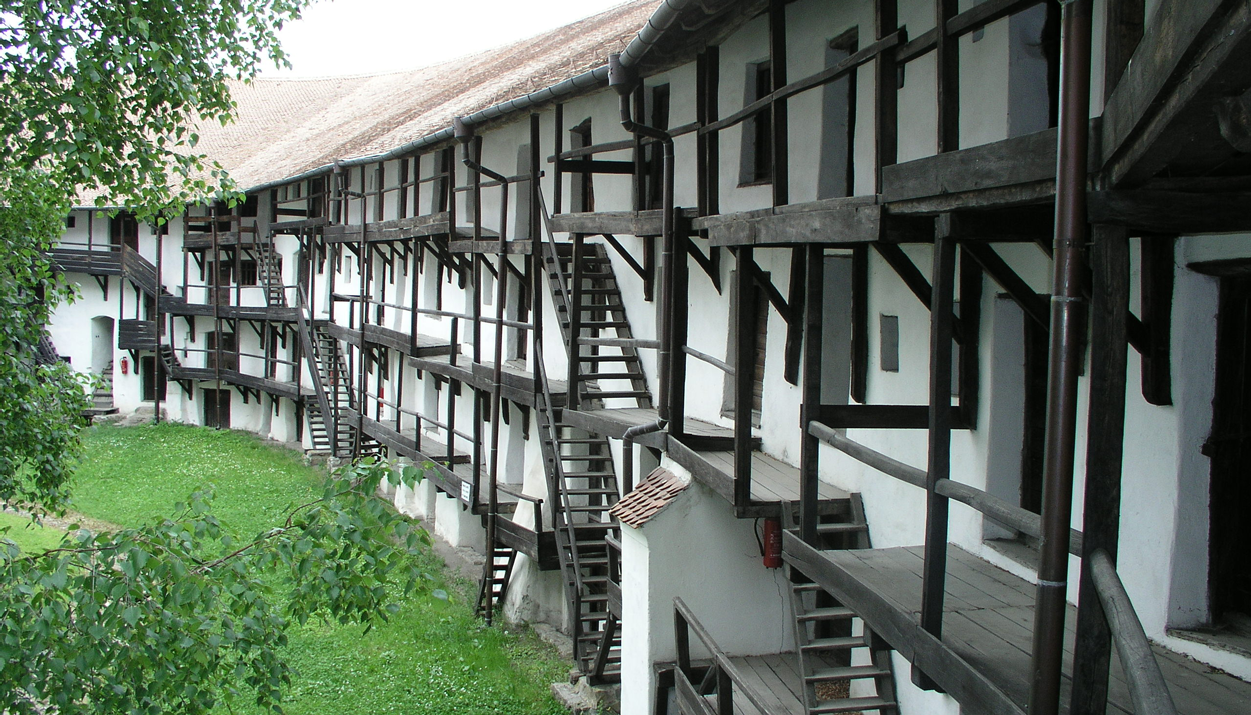
Localitate menţionată documentar în 1240, fondată de ordinul cavalerilor teutoni. Fortificaţia, cea mai puternică dintr-o localitate rurală din Transilvania, şi cu cel mai dezvoltat sistem de camere de provizii, este compusă din biserica de plan în cruce, gotică timpurie (mijlocul sec. XIII), extinsă la începutul sec. XVI şi înconjurată de incinta fortificată (mijlocul sec. XV-sec. XVI).