-
Danube Delta
1991/ Ref: 588
Criterion
CRITERIA (vii) (x) The Danube Delta is an outstanding example of a dynamic wetland ecosystem on a vast scale, unique both in its
European context and internationally. It is also a habitat complex of world value for certain rare and endangered species.
Danube Delta
The natural landscape of the Delta – structured mainly by the three river branches of the Danube that flow into the Black Sea in the easternmost region of Romania– is consisting of a mosaic of river branches, channels, lakes of different types and sizes, reed beds, sand dunes, oak forests with Mediterranean vegetation. As the largest continuous marshland in Europe, the Danube Delta is an outstanding example of an important ecosystem and is of great importance for the conservation of diverse fauna and flora.
The Delta is a natural gene bank with inestimable value for the world’s natural heritage, with a high density of many species that are rare or extinct in
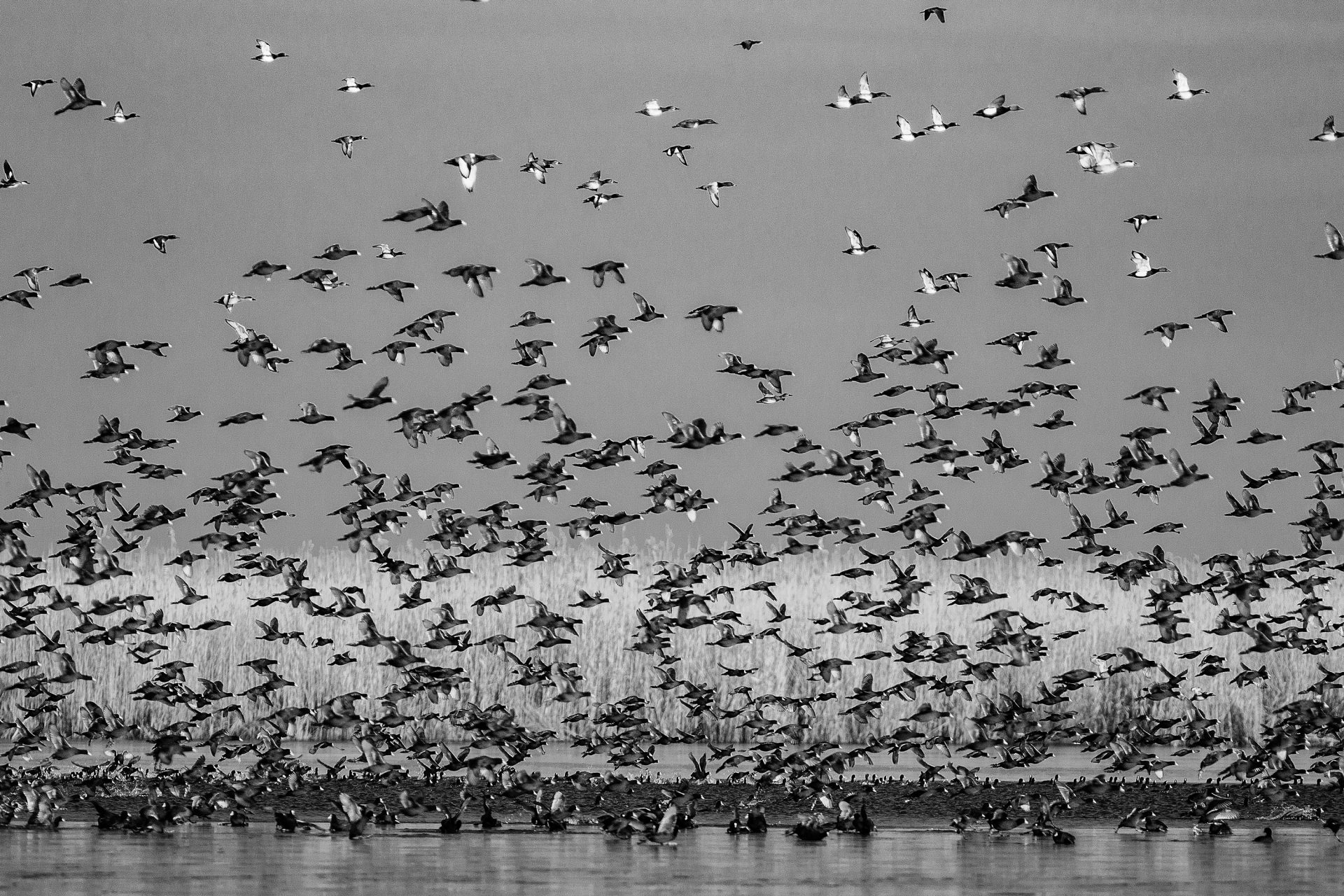
other European areas. Of the 341 species of birds found in the delta, 12 species have been declared monuments of nature because of their endangered status. For two of these (pygmy cormorant, red breasted geese) the Danube Delta supports the majority of the world population.
It has been recognized worldwide as nesting place for many other bird populations such as the White pelican and the Dalmatian pelican and hosts also important colonies of spoonbill and several nesting species of white-tailed eagle. The Danube Delta is a major stopover site (during spring and autumn) for millions of birds, especially ducks, white storks and numerous predators and the wintering host for huge groups of swans and geese. Also found in the delta are avocets, black-winged stilts, glossy ibises,
reed warblers, mute swans, plovers, grebes, marsh harriers, falcons, egrets and gulls, etc.
Delta’s special natural conditions have favored the development of human settlements since ancient times. People have adapted to local conditions
and formed many settlements (25 villages) spread throughout the entire delta, cultivating traditions and a rich culture that can still be observed on site. Houses and fisheries, specific to each major ethnic group living in this region (Romanian, Ukrainian, Russian-Lipovan), form an interesting inventory of vernacular reed roofed traditional architecture.
Besides being listed as World Heritage, the Danube Delta Biosphere Reserve was recognized as a Man and Biosphere (MAB) reserve and also as “wetland of international importance, especially as waterfowl habitat”, according to the Ramsar Convention.