-
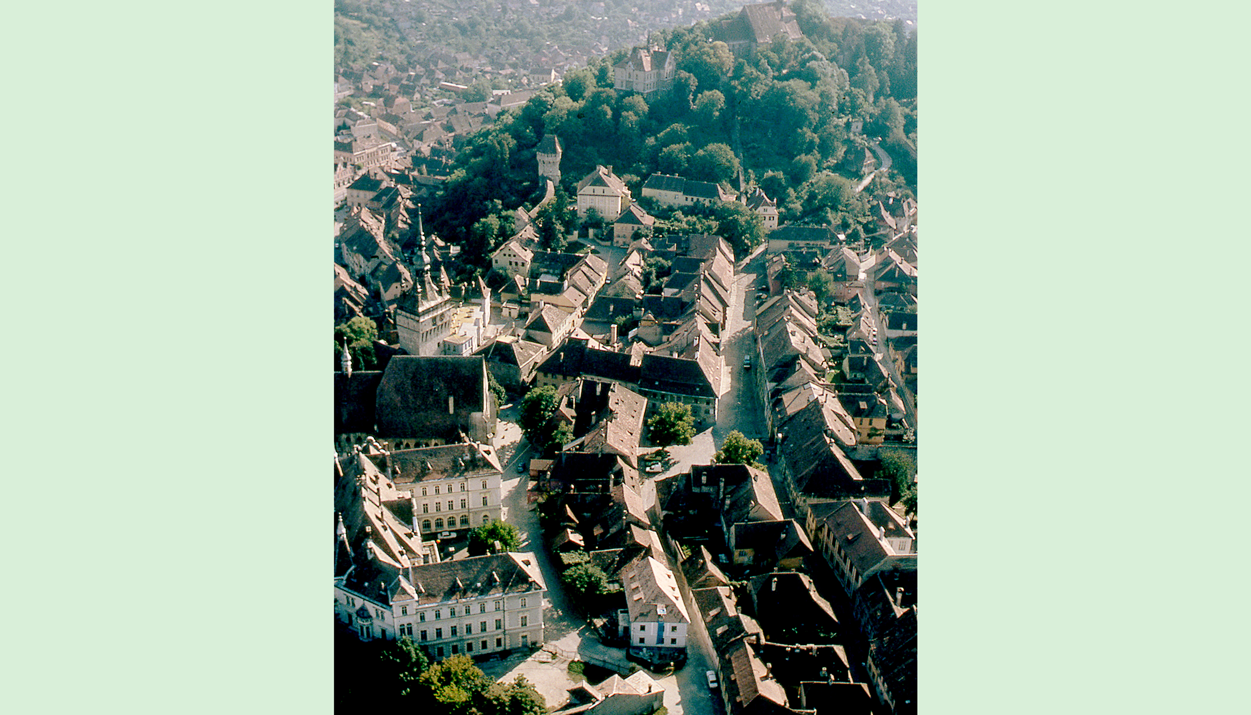
Sighișoara, Upper Town. Aerial view
-
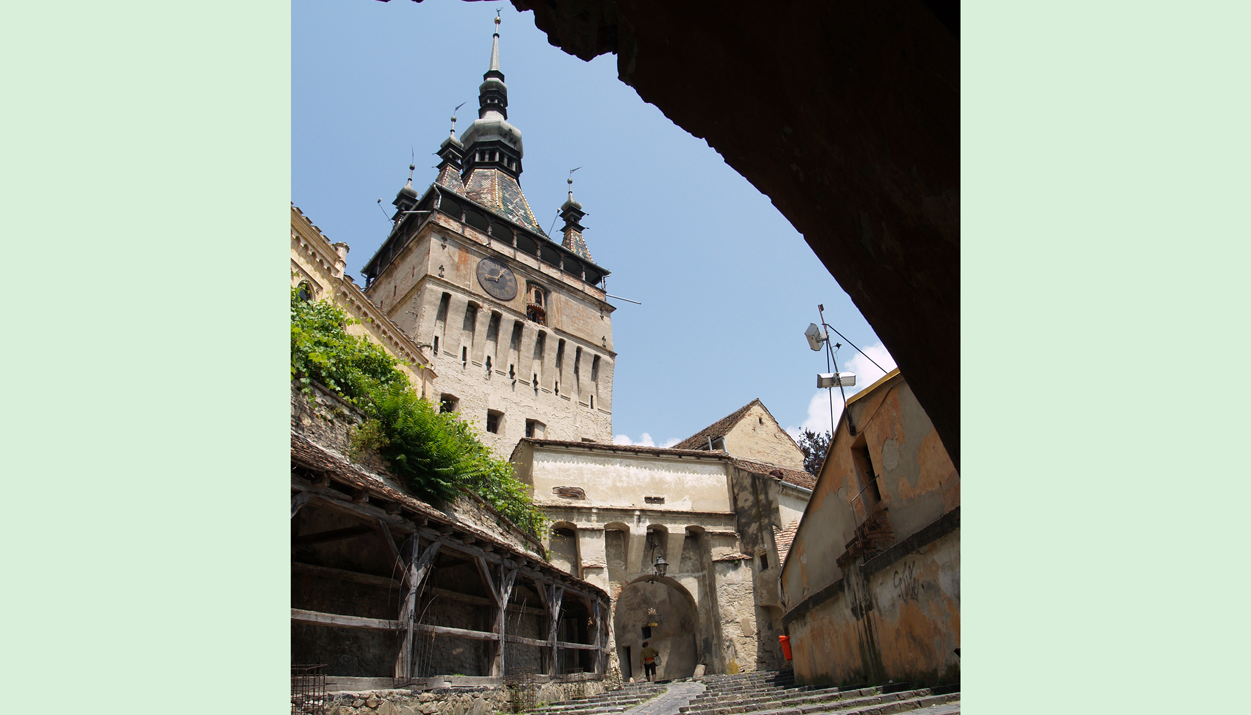
Tower’s Street and the Clock Tower
-
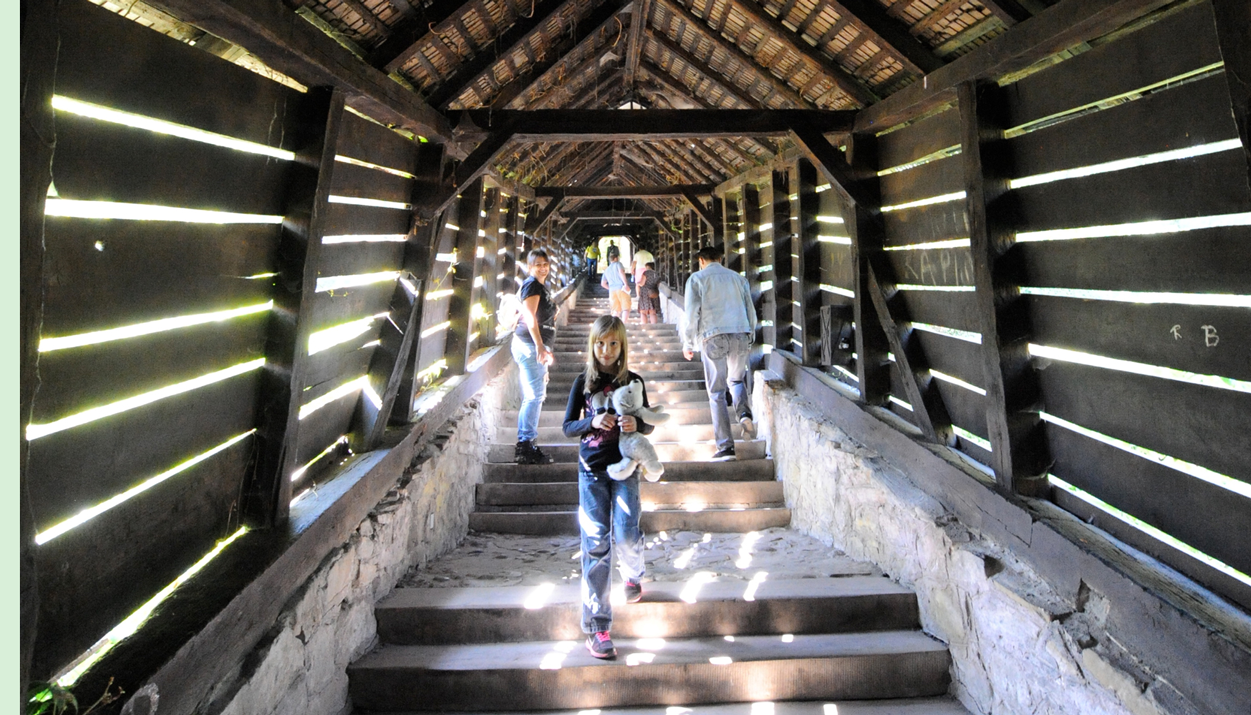
“Schoolchildren’s” covered wooden staircase, 1656
-
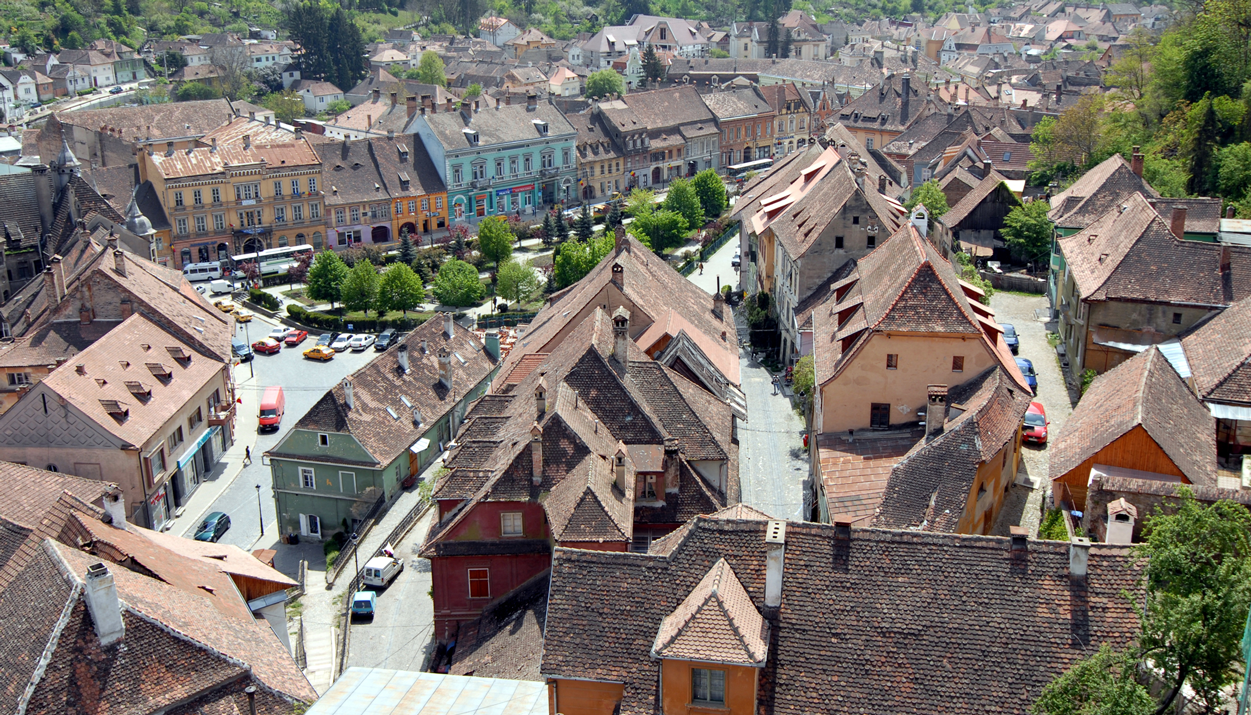
View of the Lower Town
-
The Rope Makers’ Tower
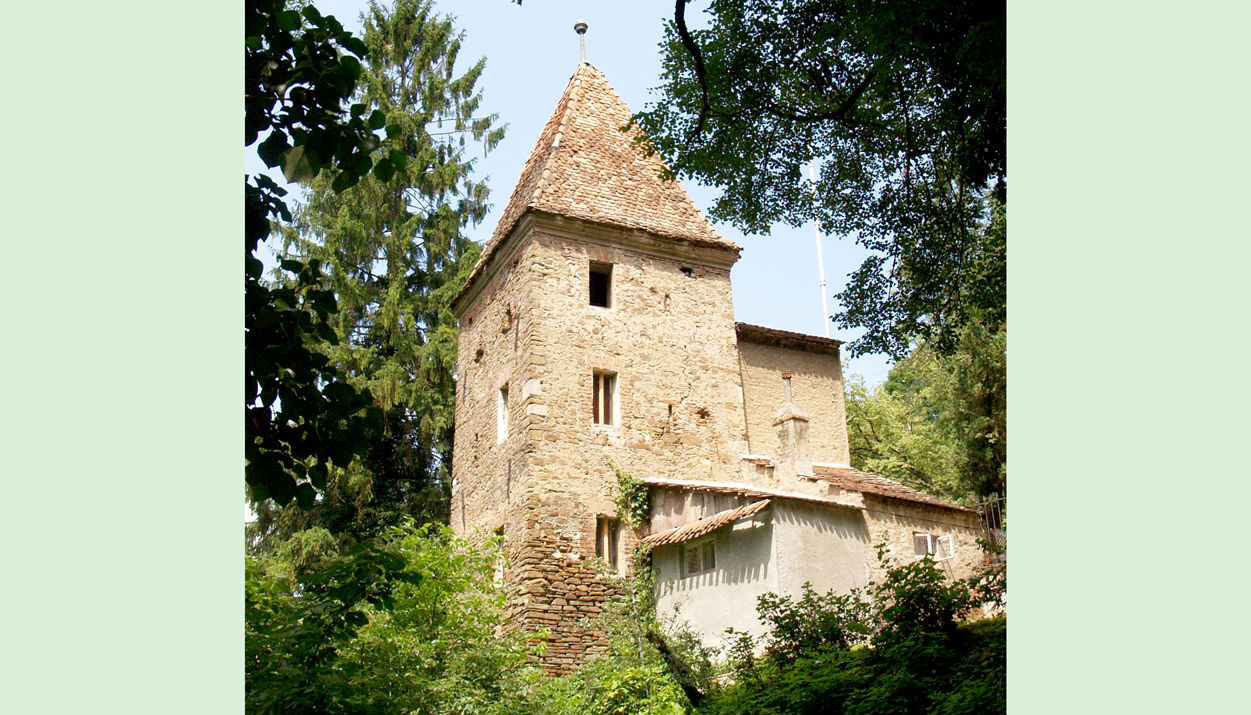
-
View of the Lower Town and the Tanners' Tower
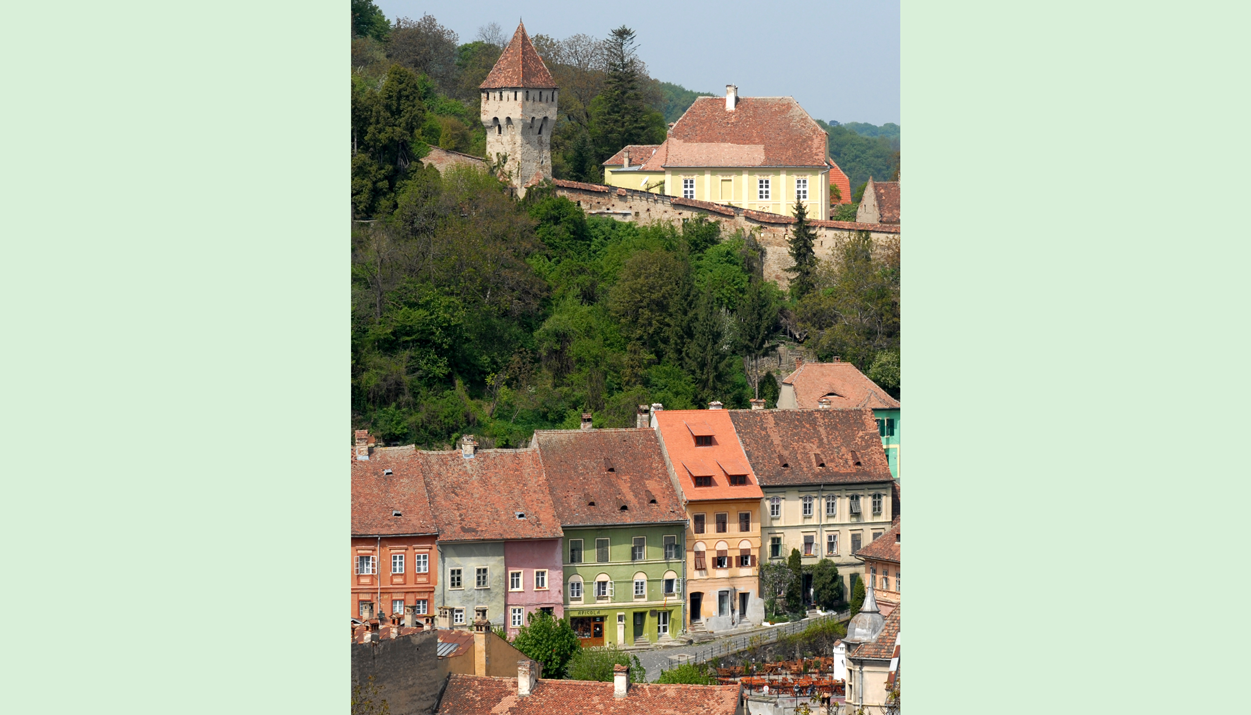
1999/ Ref: 902
Criterion
Criterion (iii) Sighișoara is an outstanding testimony to the culture of the Transylvanian Saxons, a culture that is coming to a close after 850 years and will continue to exist only through its architectural and urban monuments.
Criterion (iv) Sighișoara is also an outstanding example of a small fortified city in the border region between the Latin-oriented culture of Central Europe and the Byzantine-Orthodox culture of south-eastern Europe. The apparently unstoppable process of emigration by the Saxons, the social stratum that had formed and upheld the cultural traditions of the region, threatens the survival of their architectural heritage as well.
Historic Centre of Sighișoara
Sighișoara is located in the landscape of unique beauty of the Târnave area, at the junction of the Saeș river with the Târnava Mare river — a geographical position comprised of a triangular plateau. This positioning gives the site a particular urban configuration resulting from adapting the functionality of the site to the landscape.
The historic centre of Sighișoara is composed of a fortified site spread over a steeply sloping plateau dominated by the Citadel Hill and the Lower Town lying below. These two sectors always had complementary functions and form an inseparable group corresponding to the historic boundaries of the medieval town.
Apart from 19th century settlements, the historic centre of Sighișoara has kept, with some variations depending on the successive development phases of the site, its original medieval urban fabric with its detailed allotment of buildings plots as well as its network of narrow streets lined with closely aligned rows of houses.
The organic relationship established between the Citadel — with its culminant point, the Hill Church (initiated in 1325), its main symbol, the Clock Tower (founded in the 14th century and extended in the 17th century), the nine still standing medieval fortification towers as well as other religious and civilian distinctive buildings – and the Lower town and between the human habitat and fortifications and the natural surroundings results in a unique structure and a distinctive and picturesque silhouette which dominates the entire landscape.
The settlement is characterized by a great density of buildings that hold individual value as historical monuments and, also due to the diverse topography, form expressive ensembles. The succession of pathways and urban spaces organized according to the topography, but also following interesting compositional principles, create together surprising picturesque effects.
The historical centre of Sighișoara continues to be inhabited to this day, being defined as the most representative medieval urban site in all of Transylvania, due to the fact that, in comparison to other historical cities in Romania, the historical centre of Sighișoara kept its fortified urban medieval structure and its fabric of high architectural quality almost unaltered.