Biertan. Satul și biserica fortificată

  • Biertan. The Village and the fortified church
    Biertan. The Village and the fortified church
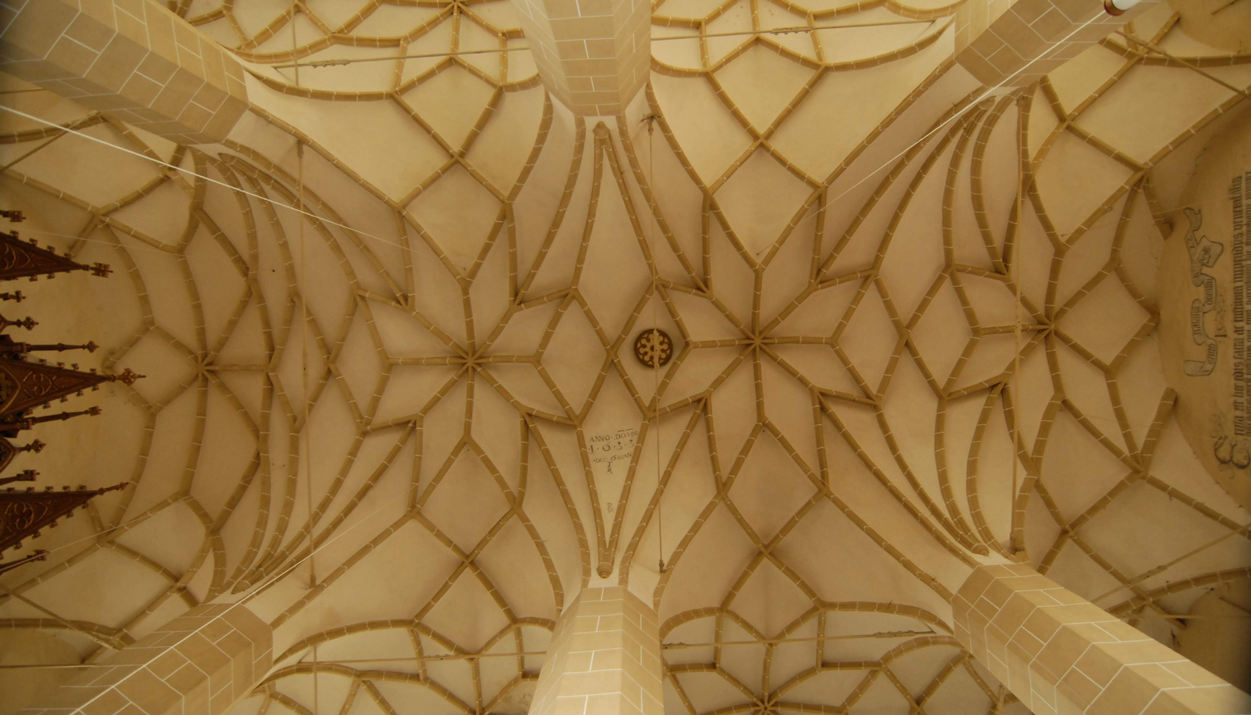
  • The late-Gothic vault of the fortified church in Biertan
    The late-Gothic vault of the fortified church in Biertan

Satul este atestat documentar la 1283. Biserica-hală, gotică târzie cu elemente de renaştere (înc. sec. XVI), este înconjurată de trei incinte fortificate (sec. XVI). În biserică sunt păstrate valoroase piese de mobilier de cult ex. altarul poliptic (1483 şi 1515), amvon, strane (începutul sec. XVI).

Villages with Fortified Churches in Dobrogea 3

  • Danube Delta.Biodiversity
    Danube Delta.Biodiversity
  • Danube Delta.Biodiversity Lorem ipsum tons of texts Danube Delta.Biodiversity Lorem ipsum tons of texts Danube Delta.Biodiversity Lorem ipsum tons of texts
    Danube Delta.Biodiversity Lorem ipsum tons of texts Danube Delta.Biodiversity Lorem ipsum tons of texts Danube Delta.Biodiversity Lorem ipsum tons of texts

1999
Ref: 906

Criterion

Criterion (ii) The Dacian fortresses represent the fusion of techniques and concepts of military architecture from inside and outside the classical world to create a unique style.

Criterion (iii) The Geto-Dacian kingdoms of the late 1st millennium BC attained an exceptionally high cultural and socio-economic level, and this is symbolized by this group of fortresses.

Criterion (iv) The hill-fort and its evolved successor, the oppidum, were characteristic of the Late Iron Age in Europe, and the Dacian fortresses are outstanding examples of this type of defended site.

The Dacian civilization

The fortresses of the Orăștie Mountains are a remarkable group of Iron Age fortified sites, developed as religious and political power centres of the Dacian state. The extensive and surprisingly preserved remains are set in a spectacular natural environment, in the central and western sector of the Orăștie Mountains, concentrated around the basin of the Grădiștea River (Apa Oraşului). Built between the 1st century BC and 1st century AD, these mountain strongholds show an exceptional and spectacular fusion of military and religious architectural techniques and concepts from the Classical World and the late European Iron Age. The six

lorem ipsum

fortresses, making up the nucleus of the Dacian Kingdom, were conquered by the Romans at the beginning of the 2nd century AD. Their extensive and relatively well-preserved remains stand in spectacular natural surroundings and give a dramatic picture of an outstanding civilisation.

The Dacian civilization, reveals its exceptional historical value (as expressed in the concept of fortified mountains) and exceptional aesthetic value (with the remarkable suggestion of the sacred and impenetrable space of the divine) in the fortresses from the Orăștie Mountains: a grandiose, imposing architecture which used refined decorative effects – a monumental stone architecture, combined with wooden and mudbrick elements. The rhythm of the columns of the sanctuaries, the dwelling towers located at the highest places of the fortresses, in perfect resonance with the surrounding natural environment, single out this ancient civilization. Dacia became a Roman Imperial province in 106 AD – this campaign is graphically depicted in sculpted reliefs un­folding around Trajan’s Column in Rome – and its fortresses were slighted.

Results

As a result of the fortresses being abandoned after 274 AD and never being reoccupied, the authenticity of the remains is exceptional, in spite of the nature re­bound and some dilapidation during history.

Lorem ipsum 2
Sate cu biserici fortificate în Dobrogea 3

  • Danube Delta.Biodiversity
    Danube Delta.Biodiversity
  • Danube Delta.Biodiversity Lorem ipsum tons of texts Danube Delta.Biodiversity Lorem ipsum tons of texts Danube Delta.Biodiversity Lorem ipsum tons of texts
    Danube Delta.Biodiversity Lorem ipsum tons of texts Danube Delta.Biodiversity Lorem ipsum tons of texts Danube Delta.Biodiversity Lorem ipsum tons of texts

1999
Ref: 906

Criterion

Criterion (ii) The Dacian fortresses represent the fusion of techniques and concepts of military architecture from inside and outside the classical world to create a unique style.

Criterion (iii) The Geto-Dacian kingdoms of the late 1st millennium BC attained an exceptionally high cultural and socio-economic level, and this is symbolized by this group of fortresses.

Criterion (iv) The hill-fort and its evolved successor, the oppidum, were characteristic of the Late Iron Age in Europe, and the Dacian fortresses are outstanding examples of this type of defended site.

The Dacian civilization

The fortresses of the Orăștie Mountains are a remarkable group of Iron Age fortified sites, developed as religious and political power centres of the Dacian state. The extensive and surprisingly preserved remains are set in a spectacular natural environment, in the central and western sector of the Orăștie Mountains, concentrated around the basin of the Grădiștea River (Apa Oraşului). Built between the 1st century BC and 1st century AD, these mountain strongholds show an exceptional and spectacular fusion of military and religious architectural techniques and concepts from the Classical World and the late European Iron Age. The six

fortresses, making up the nucleus of the Dacian Kingdom, were conquered by the Romans at the beginning of the 2nd century AD. Their extensive and relatively well-preserved remains stand in spectacular natural surroundings and give a dramatic picture of an outstanding civilisation.

The Dacian civilization, reveals its exceptional historical value (as expressed in the concept of fortified mountains) and exceptional aesthetic value (with the remarkable suggestion of the sacred and impenetrable space of the divine) in the fortresses from the Orăștie Mountains: a grandiose, imposing architecture which used refined decorative effects – a monumental stone architecture, combined with wooden and mudbrick elements. The rhythm of the columns of the sanctuaries, the dwelling towers located at the highest places of the fortresses, in perfect resonance with the surrounding natural environment, single out this ancient civilization. Dacia became a Roman Imperial province in 106 AD – this campaign is graphically depicted in sculpted reliefs un­folding around Trajan’s Column in Rome – and its fortresses were slighted.

Results

As a result of the fortresses being abandoned after 274 AD and never being reoccupied, the authenticity of the remains is exceptional, in spite of the nature re­bound and some dilapidation during history.

Sate cu biserici fortificate în Moldova

  • Danube Delta.Biodiversity
    Danube Delta.Biodiversity
  • Danube Delta.Biodiversity Lorem ipsum tons of texts Danube Delta.Biodiversity Lorem ipsum tons of texts Danube Delta.Biodiversity Lorem ipsum tons of texts
    Danube Delta.Biodiversity Lorem ipsum tons of texts Danube Delta.Biodiversity Lorem ipsum tons of texts Danube Delta.Biodiversity Lorem ipsum tons of texts

1999
Ref: 906

Criterion

Criterion (ii) The Dacian fortresses represent the fusion of techniques and concepts of military architecture from inside and outside the classical world to create a unique style.

Criterion (iii) The Geto-Dacian kingdoms of the late 1st millennium BC attained an exceptionally high cultural and socio-economic level, and this is symbolized by this group of fortresses.

Criterion (iv) The hill-fort and its evolved successor, the oppidum, were characteristic of the Late Iron Age in Europe, and the Dacian fortresses are outstanding examples of this type of defended site.

The Dacian civilization

The fortresses of the Orăștie Mountains are a remarkable group of Iron Age fortified sites, developed as religious and political power centres of the Dacian state. The extensive and surprisingly preserved remains are set in a spectacular natural environment, in the central and western sector of the Orăștie Mountains, concentrated around the basin of the Grădiștea River (Apa Oraşului). Built between the 1st century BC and 1st century AD, these mountain strongholds show an exceptional and spectacular fusion of military and religious architectural techniques and concepts from the Classical World and the late European Iron Age. The six

fortresses, making up the nucleus of the Dacian Kingdom, were conquered by the Romans at the beginning of the 2nd century AD. Their extensive and relatively well-preserved remains stand in spectacular natural surroundings and give a dramatic picture of an outstanding civilisation.

The Dacian civilization, reveals its exceptional historical value (as expressed in the concept of fortified mountains) and exceptional aesthetic value (with the remarkable suggestion of the sacred and impenetrable space of the divine) in the fortresses from the Orăștie Mountains: a grandiose, imposing architecture which used refined decorative effects – a monumental stone architecture, combined with wooden and mudbrick elements. The rhythm of the columns of the sanctuaries, the dwelling towers located at the highest places of the fortresses, in perfect resonance with the surrounding natural environment, single out this ancient civilization. Dacia became a Roman Imperial province in 106 AD – this campaign is graphically depicted in sculpted reliefs un­folding around Trajan’s Column in Rome – and its fortresses were slighted.

Results

As a result of the fortresses being abandoned after 274 AD and never being reoccupied, the authenticity of the remains is exceptional, in spite of the nature re­bound and some dilapidation during history.

Sate cu biserici fortificate în Dobrogea 1

  • Danube Delta.Biodiversity
    Danube Delta.Biodiversity
  • Danube Delta.Biodiversity Lorem ipsum tons of texts Danube Delta.Biodiversity Lorem ipsum tons of texts Danube Delta.Biodiversity Lorem ipsum tons of texts
    Danube Delta.Biodiversity Lorem ipsum tons of texts Danube Delta.Biodiversity Lorem ipsum tons of texts Danube Delta.Biodiversity Lorem ipsum tons of texts

1999
Ref: 906

Criterion

Criterion (ii) The Dacian fortresses represent the fusion of techniques and concepts of military architecture from inside and outside the classical world to create a unique style.

Criterion (iii) The Geto-Dacian kingdoms of the late 1st millennium BC attained an exceptionally high cultural and socio-economic level, and this is symbolized by this group of fortresses.

Criterion (iv) The hill-fort and its evolved successor, the oppidum, were characteristic of the Late Iron Age in Europe, and the Dacian fortresses are outstanding examples of this type of defended site.

The Dacian civilization

The fortresses of the Orăștie Mountains are a remarkable group of Iron Age fortified sites, developed as religious and political power centres of the Dacian state. The extensive and surprisingly preserved remains are set in a spectacular natural environment, in the central and western sector of the Orăștie Mountains, concentrated around the basin of the Grădiștea River (Apa Oraşului). Built between the 1st century BC and 1st century AD, these mountain strongholds show an exceptional and spectacular fusion of military and religious architectural techniques and concepts from the Classical World and the late European Iron Age. The six

fortresses, making up the nucleus of the Dacian Kingdom, were conquered by the Romans at the beginning of the 2nd century AD. Their extensive and relatively well-preserved remains stand in spectacular natural surroundings and give a dramatic picture of an outstanding civilisation.

The Dacian civilization, reveals its exceptional historical value (as expressed in the concept of fortified mountains) and exceptional aesthetic value (with the remarkable suggestion of the sacred and impenetrable space of the divine) in the fortresses from the Orăștie Mountains: a grandiose, imposing architecture which used refined decorative effects – a monumental stone architecture, combined with wooden and mudbrick elements. The rhythm of the columns of the sanctuaries, the dwelling towers located at the highest places of the fortresses, in perfect resonance with the surrounding natural environment, single out this ancient civilization. Dacia became a Roman Imperial province in 106 AD – this campaign is graphically depicted in sculpted reliefs un­folding around Trajan’s Column in Rome – and its fortresses were slighted.

Results

As a result of the fortresses being abandoned after 274 AD and never being reoccupied, the authenticity of the remains is exceptional, in spite of the nature re­bound and some dilapidation during history.

Anticele păduri de fag din Carpați și alte zone ale Europei

  • Danube Delta.Biodiversity
    Danube Delta.Biodiversity
  • Danube Delta.Biodiversity Lorem ipsum tons of texts Danube Delta.Biodiversity Lorem ipsum tons of texts Danube Delta.Biodiversity Lorem ipsum tons of texts
    Danube Delta.Biodiversity Lorem ipsum tons of texts Danube Delta.Biodiversity Lorem ipsum tons of texts Danube Delta.Biodiversity Lorem ipsum tons of texts

1999
Ref: 906

Criterion

Criterion (ii) The Dacian fortresses represent the fusion of techniques and concepts of military architecture from inside and outside the classical world to create a unique style.

Criterion (iii) The Geto-Dacian kingdoms of the late 1st millennium BC attained an exceptionally high cultural and socio-economic level, and this is symbolized by this group of fortresses.

Criterion (iv) The hill-fort and its evolved successor, the oppidum, were characteristic of the Late Iron Age in Europe, and the Dacian fortresses are outstanding examples of this type of defended site.

The Dacian civilization

The fortresses of the Orăștie Mountains are a remarkable group of Iron Age fortified sites, developed as religious and political power centres of the Dacian state. The extensive and surprisingly preserved remains are set in a spectacular natural environment, in the central and western sector of the Orăștie Mountains, concentrated around the basin of the Grădiștea River (Apa Oraşului). Built between the 1st century BC and 1st century AD, these mountain strongholds show an exceptional and spectacular fusion of military and religious architectural techniques and concepts from the Classical World and the late European Iron Age. The six

fortresses, making up the nucleus of the Dacian Kingdom, were conquered by the Romans at the beginning of the 2nd century AD. Their extensive and relatively well-preserved remains stand in spectacular natural surroundings and give a dramatic picture of an outstanding civilisation.

The Dacian civilization, reveals its exceptional historical value (as expressed in the concept of fortified mountains) and exceptional aesthetic value (with the remarkable suggestion of the sacred and impenetrable space of the divine) in the fortresses from the Orăștie Mountains: a grandiose, imposing architecture which used refined decorative effects – a monumental stone architecture, combined with wooden and mudbrick elements. The rhythm of the columns of the sanctuaries, the dwelling towers located at the highest places of the fortresses, in perfect resonance with the surrounding natural environment, single out this ancient civilization. Dacia became a Roman Imperial province in 106 AD – this campaign is graphically depicted in sculpted reliefs un­folding around Trajan’s Column in Rome – and its fortresses were slighted.

Results

As a result of the fortresses being abandoned after 274 AD and never being reoccupied, the authenticity of the remains is exceptional, in spite of the nature re­bound and some dilapidation during history.

Mănăstirile din Moldova

  • Danube Delta.Biodiversity
    Danube Delta.Biodiversity
  • Danube Delta.Biodiversity Lorem ipsum tons of texts Danube Delta.Biodiversity Lorem ipsum tons of texts Danube Delta.Biodiversity Lorem ipsum tons of texts
    Danube Delta.Biodiversity Lorem ipsum tons of texts Danube Delta.Biodiversity Lorem ipsum tons of texts Danube Delta.Biodiversity Lorem ipsum tons of texts

1999
Ref: 906

Criterion

Criterion (ii) The Dacian fortresses represent the fusion of techniques and concepts of military architecture from inside and outside the classical world to create a unique style.

Criterion (iii) The Geto-Dacian kingdoms of the late 1st millennium BC attained an exceptionally high cultural and socio-economic level, and this is symbolized by this group of fortresses.

Criterion (iv) The hill-fort and its evolved successor, the oppidum, were characteristic of the Late Iron Age in Europe, and the Dacian fortresses are outstanding examples of this type of defended site.

The Dacian civilization

The fortresses of the Orăștie Mountains are a remarkable group of Iron Age fortified sites, developed as religious and political power centres of the Dacian state. The extensive and surprisingly preserved remains are set in a spectacular natural environment, in the central and western sector of the Orăștie Mountains, concentrated around the basin of the Grădiștea River (Apa Oraşului). Built between the 1st century BC and 1st century AD, these mountain strongholds show an exceptional and spectacular fusion of military and religious architectural techniques and concepts from the Classical World and the late European Iron Age. The six

fortresses, making up the nucleus of the Dacian Kingdom, were conquered by the Romans at the beginning of the 2nd century AD. Their extensive and relatively well-preserved remains stand in spectacular natural surroundings and give a dramatic picture of an outstanding civilisation.

The Dacian civilization, reveals its exceptional historical value (as expressed in the concept of fortified mountains) and exceptional aesthetic value (with the remarkable suggestion of the sacred and impenetrable space of the divine) in the fortresses from the Orăștie Mountains: a grandiose, imposing architecture which used refined decorative effects – a monumental stone architecture, combined with wooden and mudbrick elements. The rhythm of the columns of the sanctuaries, the dwelling towers located at the highest places of the fortresses, in perfect resonance with the surrounding natural environment, single out this ancient civilization. Dacia became a Roman Imperial province in 106 AD – this campaign is graphically depicted in sculpted reliefs un­folding around Trajan’s Column in Rome – and its fortresses were slighted.

Results

As a result of the fortresses being abandoned after 274 AD and never being reoccupied, the authenticity of the remains is exceptional, in spite of the nature re­bound and some dilapidation during history.

Delta Dunării

  • Danube Delta.Biodiversity
    Danube Delta.Biodiversity
  • Danube Delta.Biodiversity Lorem ipsum tons of texts Danube Delta.Biodiversity Lorem ipsum tons of texts Danube Delta.Biodiversity Lorem ipsum tons of texts
    Danube Delta.Biodiversity Lorem ipsum tons of texts Danube Delta.Biodiversity Lorem ipsum tons of texts Danube Delta.Biodiversity Lorem ipsum tons of texts

1999
Ref: 906

Criterion

Criterion (ii) The Dacian fortresses represent the fusion of techniques and concepts of military architecture from inside and outside the classical world to create a unique style.

Criterion (iii) The Geto-Dacian kingdoms of the late 1st millennium BC attained an exceptionally high cultural and socio-economic level, and this is symbolized by this group of fortresses.

Criterion (iv) The hill-fort and its evolved successor, the oppidum, were characteristic of the Late Iron Age in Europe, and the Dacian fortresses are outstanding examples of this type of defended site.

The Dacian civilization

The fortresses of the Orăștie Mountains are a remarkable group of Iron Age fortified sites, developed as religious and political power centres of the Dacian state. The extensive and surprisingly preserved remains are set in a spectacular natural environment, in the central and western sector of the Orăștie Mountains, concentrated around the basin of the Grădiștea River (Apa Oraşului). Built between the 1st century BC and 1st century AD, these mountain strongholds show an exceptional and spectacular fusion of military and religious architectural techniques and concepts from the Classical World and the late European Iron Age. The six

fortresses, making up the nucleus of the Dacian Kingdom, were conquered by the Romans at the beginning of the 2nd century AD. Their extensive and relatively well-preserved remains stand in spectacular natural surroundings and give a dramatic picture of an outstanding civilisation.

The Dacian civilization, reveals its exceptional historical value (as expressed in the concept of fortified mountains) and exceptional aesthetic value (with the remarkable suggestion of the sacred and impenetrable space of the divine) in the fortresses from the Orăștie Mountains: a grandiose, imposing architecture which used refined decorative effects – a monumental stone architecture, combined with wooden and mudbrick elements. The rhythm of the columns of the sanctuaries, the dwelling towers located at the highest places of the fortresses, in perfect resonance with the surrounding natural environment, single out this ancient civilization. Dacia became a Roman Imperial province in 106 AD – this campaign is graphically depicted in sculpted reliefs un­folding around Trajan’s Column in Rome – and its fortresses were slighted.

Results

As a result of the fortresses being abandoned after 274 AD and never being reoccupied, the authenticity of the remains is exceptional, in spite of the nature re­bound and some dilapidation during history.

Delta Dunării 3

  • Danube Delta.Biodiversity
    Danube Delta.Biodiversity
  • Danube Delta.Biodiversity Lorem ipsum tons of texts Danube Delta.Biodiversity Lorem ipsum tons of texts Danube Delta.Biodiversity Lorem ipsum tons of texts
    Danube Delta.Biodiversity Lorem ipsum tons of texts Danube Delta.Biodiversity Lorem ipsum tons of texts Danube Delta.Biodiversity Lorem ipsum tons of texts

1999
Ref: 906

Criterion

Criterion (ii) The Dacian fortresses represent the fusion of techniques and concepts of military architecture from inside and outside the classical world to create a unique style.

Criterion (iii) The Geto-Dacian kingdoms of the late 1st millennium BC attained an exceptionally high cultural and socio-economic level, and this is symbolized by this group of fortresses.

Criterion (iv) The hill-fort and its evolved successor, the oppidum, were characteristic of the Late Iron Age in Europe, and the Dacian fortresses are outstanding examples of this type of defended site.

The Dacian civilization

The fortresses of the Orăștie Mountains are a remarkable group of Iron Age fortified sites, developed as religious and political power centres of the Dacian state. The extensive and surprisingly preserved remains are set in a spectacular natural environment, in the central and western sector of the Orăștie Mountains, concentrated around the basin of the Grădiștea River (Apa Oraşului). Built between the 1st century BC and 1st century AD, these mountain strongholds show an exceptional and spectacular fusion of military and religious architectural techniques and concepts from the Classical World and the late European Iron Age. The six

fortresses, making up the nucleus of the Dacian Kingdom, were conquered by the Romans at the beginning of the 2nd century AD. Their extensive and relatively well-preserved remains stand in spectacular natural surroundings and give a dramatic picture of an outstanding civilisation.

The Dacian civilization, reveals its exceptional historical value (as expressed in the concept of fortified mountains) and exceptional aesthetic value (with the remarkable suggestion of the sacred and impenetrable space of the divine) in the fortresses from the Orăștie Mountains: a grandiose, imposing architecture which used refined decorative effects – a monumental stone architecture, combined with wooden and mudbrick elements. The rhythm of the columns of the sanctuaries, the dwelling towers located at the highest places of the fortresses, in perfect resonance with the surrounding natural environment, single out this ancient civilization. Dacia became a Roman Imperial province in 106 AD – this campaign is graphically depicted in sculpted reliefs un­folding around Trajan’s Column in Rome – and its fortresses were slighted.

Results

As a result of the fortresses being abandoned after 274 AD and never being reoccupied, the authenticity of the remains is exceptional, in spite of the nature re­bound and some dilapidation during history.

Delta Dunării 2

  • Danube Delta.Biodiversity
    Danube Delta.Biodiversity
  • Danube Delta.Biodiversity Lorem ipsum tons of texts Danube Delta.Biodiversity Lorem ipsum tons of texts Danube Delta.Biodiversity Lorem ipsum tons of texts
    Danube Delta.Biodiversity Lorem ipsum tons of texts Danube Delta.Biodiversity Lorem ipsum tons of texts Danube Delta.Biodiversity Lorem ipsum tons of texts

1999
Ref: 906

Criterion

Criterion (ii) The Dacian fortresses represent the fusion of techniques and concepts of military architecture from inside and outside the classical world to create a unique style.

Criterion (iii) The Geto-Dacian kingdoms of the late 1st millennium BC attained an exceptionally high cultural and socio-economic level, and this is symbolized by this group of fortresses.

Criterion (iv) The hill-fort and its evolved successor, the oppidum, were characteristic of the Late Iron Age in Europe, and the Dacian fortresses are outstanding examples of this type of defended site.

The Dacian civilization

The fortresses of the Orăștie Mountains are a remarkable group of Iron Age fortified sites, developed as religious and political power centres of the Dacian state. The extensive and surprisingly preserved remains are set in a spectacular natural environment, in the central and western sector of the Orăștie Mountains, concentrated around the basin of the Grădiștea River (Apa Oraşului). Built between the 1st century BC and 1st century AD, these mountain strongholds show an exceptional and spectacular fusion of military and religious architectural techniques and concepts from the Classical World and the late European Iron Age. The six

fortresses, making up the nucleus of the Dacian Kingdom, were conquered by the Romans at the beginning of the 2nd century AD. Their extensive and relatively well-preserved remains stand in spectacular natural surroundings and give a dramatic picture of an outstanding civilisation.

The Dacian civilization, reveals its exceptional historical value (as expressed in the concept of fortified mountains) and exceptional aesthetic value (with the remarkable suggestion of the sacred and impenetrable space of the divine) in the fortresses from the Orăștie Mountains: a grandiose, imposing architecture which used refined decorative effects – a monumental stone architecture, combined with wooden and mudbrick elements. The rhythm of the columns of the sanctuaries, the dwelling towers located at the highest places of the fortresses, in perfect resonance with the surrounding natural environment, single out this ancient civilization. Dacia became a Roman Imperial province in 106 AD – this campaign is graphically depicted in sculpted reliefs un­folding around Trajan’s Column in Rome – and its fortresses were slighted.

Results

As a result of the fortresses being abandoned after 274 AD and never being reoccupied, the authenticity of the remains is exceptional, in spite of the nature re­bound and some dilapidation during history.

Delta Dunării 1

  • Danube Delta.Biodiversity
    Danube Delta.Biodiversity
  • Danube Delta.Biodiversity Lorem ipsum tons of texts Danube Delta.Biodiversity Lorem ipsum tons of texts Danube Delta.Biodiversity Lorem ipsum tons of texts
    Danube Delta.Biodiversity Lorem ipsum tons of texts Danube Delta.Biodiversity Lorem ipsum tons of texts Danube Delta.Biodiversity Lorem ipsum tons of texts

1999
Ref: 906

Criterion

Criterion (ii) The Dacian fortresses represent the fusion of techniques and concepts of military architecture from inside and outside the classical world to create a unique style.

Criterion (iii) The Geto-Dacian kingdoms of the late 1st millennium BC attained an exceptionally high cultural and socio-economic level, and this is symbolized by this group of fortresses.

Criterion (iv) The hill-fort and its evolved successor, the oppidum, were characteristic of the Late Iron Age in Europe, and the Dacian fortresses are outstanding examples of this type of defended site.

The Dacian civilization

The fortresses of the Orăștie Mountains are a remarkable group of Iron Age fortified sites, developed as religious and political power centres of the Dacian state. The extensive and surprisingly preserved remains are set in a spectacular natural environment, in the central and western sector of the Orăștie Mountains, concentrated around the basin of the Grădiștea River (Apa Oraşului). Built between the 1st century BC and 1st century AD, these mountain strongholds show an exceptional and spectacular fusion of military and religious architectural techniques and concepts from the Classical World and the late European Iron Age. The six

fortresses, making up the nucleus of the Dacian Kingdom, were conquered by the Romans at the beginning of the 2nd century AD. Their extensive and relatively well-preserved remains stand in spectacular natural surroundings and give a dramatic picture of an outstanding civilisation.

The Dacian civilization, reveals its exceptional historical value (as expressed in the concept of fortified mountains) and exceptional aesthetic value (with the remarkable suggestion of the sacred and impenetrable space of the divine) in the fortresses from the Orăștie Mountains: a grandiose, imposing architecture which used refined decorative effects – a monumental stone architecture, combined with wooden and mudbrick elements. The rhythm of the columns of the sanctuaries, the dwelling towers located at the highest places of the fortresses, in perfect resonance with the surrounding natural environment, single out this ancient civilization. Dacia became a Roman Imperial province in 106 AD – this campaign is graphically depicted in sculpted reliefs un­folding around Trajan’s Column in Rome – and its fortresses were slighted.

Results

As a result of the fortresses being abandoned after 274 AD and never being reoccupied, the authenticity of the remains is exceptional, in spite of the nature re­bound and some dilapidation during history.