Subsit DEMO 4

  • Church of St. Nicholas, Probota Monastery
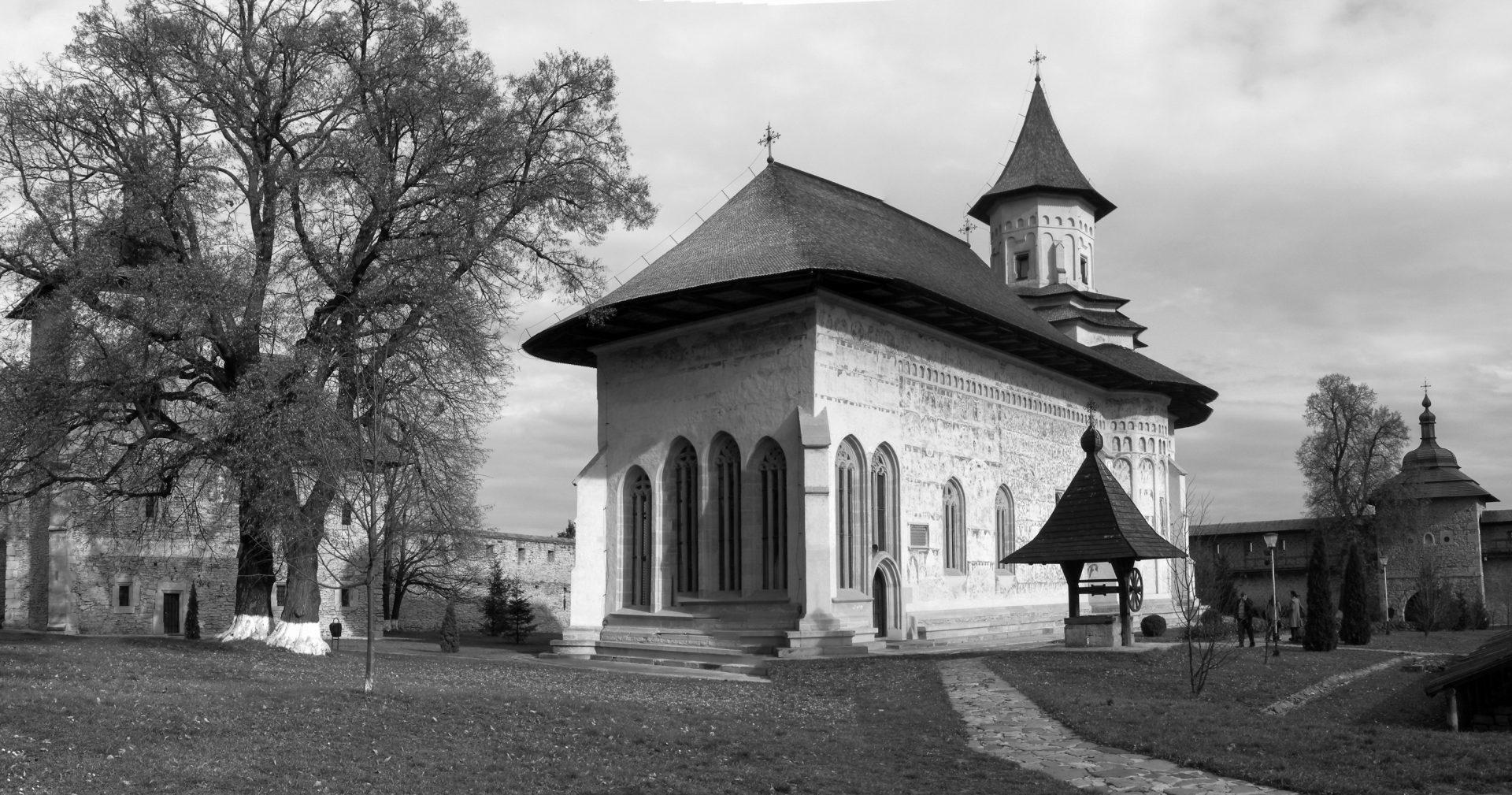
    Church of St. Nicholas, Probota Monastery
  • Church of the Resurrection, Suceviţa Monastery
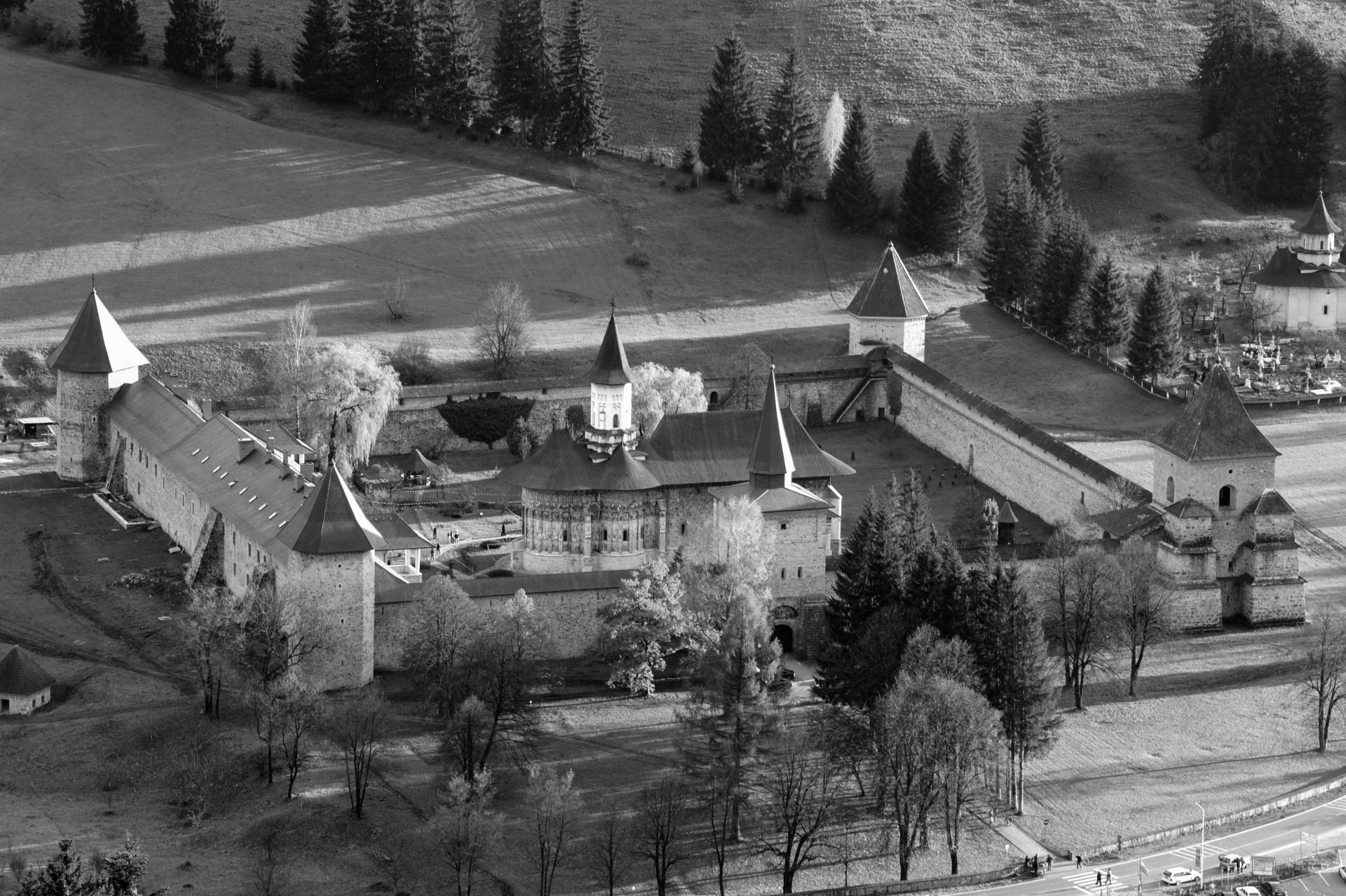
    Church of the Resurrection, Suceviţa Monastery

1993, 2010
Ref: 598bis

Criterion

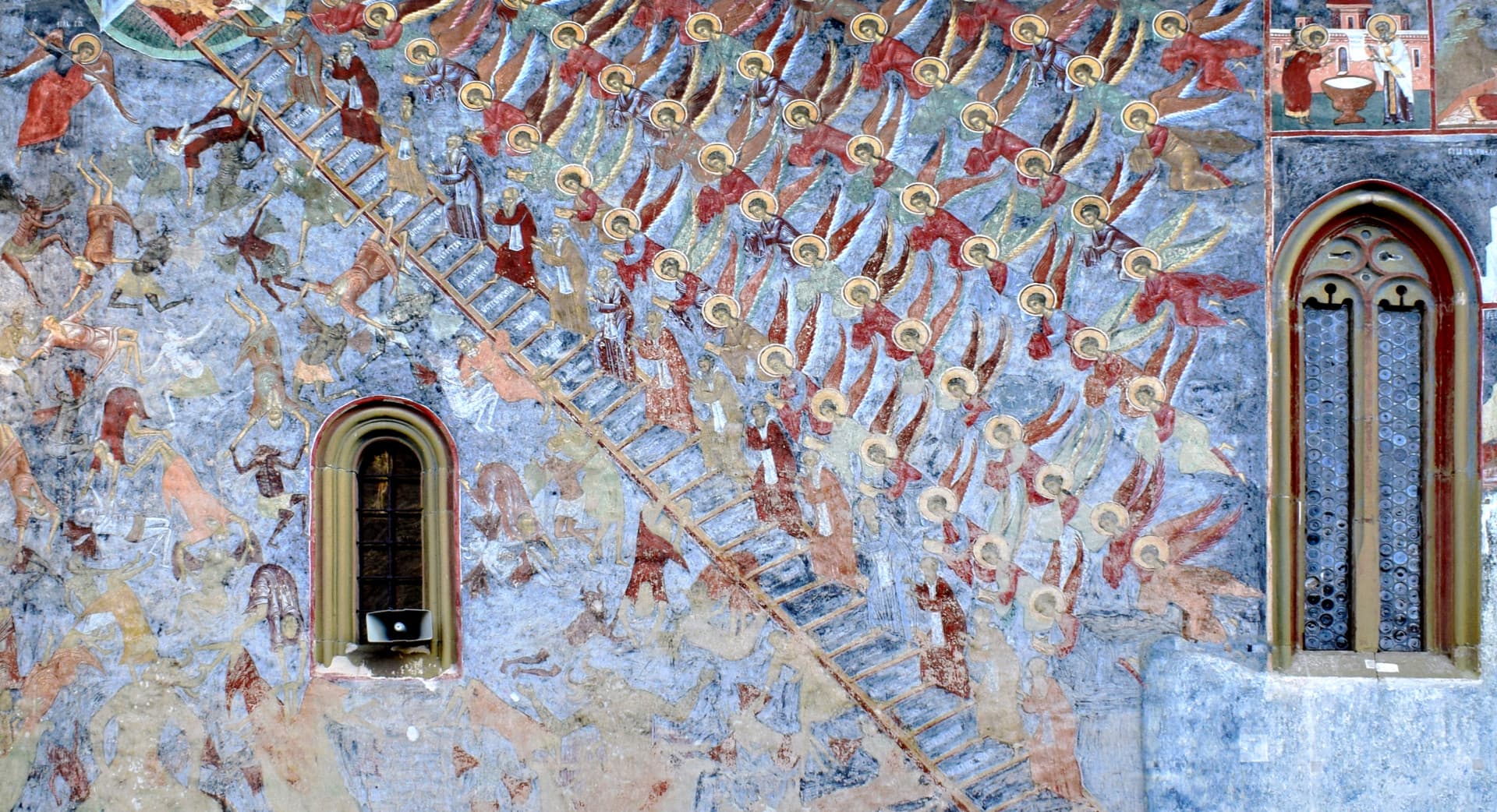
Criterion (i) The external paintings of the churches of Northern Moldavia cover all the facades. They embody a unique and homogeneous artistic phenomenon, directly inspired by Byzantine art. They are masterpieces of mural painting, and are of outstanding aesthetic value in view of their consummate chromatism and the remarkable elegance of the figures. They present cycles of events taken from the Bible and the Holy Scriptures, in the Orthodox Christian tradition.

Criterion (iv) The idea of completely covering the external facades of churches by paintings is an eminent example of a type of church construction and decoration adopted in Moldavia, which illustrates the cultural and religious context of the Balkans from the late 15th century to the late 16th century.

Churches of Moldavia

The churches with exterior mural paintings of northern Moldavia, built from the late 15th century to the late 16th century, are masterpieces inspired by Byzantine art. These eight churches — Church of the Holy Rood of Patrăuţi (1487), Church of St George of the Monastery of Voroneţ (1488, 1547), Church of the Beheading of St John the Baptist of Arbore (1503), Church of St George of St John the New Monastery of Suceava (1514–1522), Church of the Assumption of the Virgin of the Monastery of Humor (1530), Church of St Nicholas of the Monastery of Probota (1530), Church of the Annunciation of the Monastery of Moldoviţa (1532) (all inscribed on the List in 1993) and Church of the Resurrection of the Monastery of Suceviţa (1584–1601), added to the List as an extension in 2010 — are unique, authentic and particularly well preserved.

Far from being mere wall decorations, the paintings form a systematic covering on all the facades and the entire interior walls and represent complete cycles of religious themes. Their exceptional composition, the elegance of the characters, and the harmony of the colours, together with their architecture, blend perfectly with their monastic ensembles and the surrounding countryside and natural landscape.

This coherent group of churches illustrates the “Moldavian Style”, which represents an original synthesis of architecture and art, characterized by Byzantine plans raised with Gothic influences, dating and crystallized during the period of the glorious reign of Stephen the Great (1457–1504) — the great defender of Christianity and his direct descendants: Bogdan the 3rd (1504–1517), Stephen the Young (1517–1527) and Petru Rareș (1527–1538, 1541–1546). It was a period of constant church building efforts, made by princes, boyars and church hierarchs, which would last until the 17th century. This style would come together in architecture but also in the main iconographic programme for interior and external mural paintings. The aesthetic and spiritual programme will contain the complete covering of all the facades of these churches with outstanding cycles of religious themes, during the 16th century.

These eight churches have undergone no significant alteration in the course of history. They preserve their original late 15th century to the late 16th century architecture and set of mural paintings. The monasteries and medieval precincts that surrounds them have conserved their historic enclosure. The picturesque surrounding countryside landscape, rural and forested, has undergone only few transformations and changes up to the present day.

Raport

Peisajul cultural este inclus într-o zonă mai extinsă care este desemnată pentru a fi protejată prin reglementări urbanistice, o zonă care cuprinde mai multe elemente desemnate individual, de la exploatările miniere romane, la casele istorice și la două formațiuni geologice.
Descarcă PDF.

Plan management

Peisajul cultural este inclus într-o zonă mai extinsă care este desemnată pentru a fi protejată prin reglementări urbanistice, o zonă care cuprinde mai multe elemente desemnate individual, de la exploatările miniere romane, la casele istorice și la două formațiuni geologice.
Descarcă PDF.

Subsit DEMO 1

  • Church of St. Nicholas, Probota Monastery
    Church of St. Nicholas, Probota Monastery
  • Church of the Resurrection, Suceviţa Monastery
    Church of the Resurrection, Suceviţa Monastery

1993, 2010
Ref: 598bis

Criterion

Criterion (i) The external paintings of the churches of Northern Moldavia cover all the facades. They embody a unique and homogeneous artistic phenomenon, directly inspired by Byzantine art. They are masterpieces of mural painting, and are of outstanding aesthetic value in view of their consummate chromatism and the remarkable elegance of the figures. They present cycles of events taken from the Bible and the Holy Scriptures, in the Orthodox Christian tradition.

Criterion (iv) The idea of completely covering the external facades of churches by paintings is an eminent example of a type of church construction and decoration adopted in Moldavia, which illustrates the cultural and religious context of the Balkans from the late 15th century to the late 16th century.

Churches of Moldavia

The churches with exterior mural paintings of northern Moldavia, built from the late 15th century to the late 16th century, are masterpieces inspired by Byzantine art. These eight churches — Church of the Holy Rood of Patrăuţi (1487), Church of St George of the Monastery of Voroneţ (1488, 1547), Church of the Beheading of St John the Baptist of Arbore (1503), Church of St George of St John the New Monastery of Suceava (1514–1522), Church of the Assumption of the Virgin of the Monastery of Humor (1530), Church of St Nicholas of the Monastery of Probota (1530), Church of the Annunciation of the Monastery of Moldoviţa (1532) (all inscribed on the List in 1993) and Church of the Resurrection of the Monastery of Suceviţa (1584–1601), added to the List as an extension in 2010 — are unique, authentic and particularly well preserved.

Far from being mere wall decorations, the paintings form a systematic covering on all the facades and the entire interior walls and represent complete cycles of religious themes. Their exceptional composition, the elegance of the characters, and the harmony of the colours, together with their architecture, blend perfectly with their monastic ensembles and the surrounding countryside and natural landscape.

This coherent group of churches illustrates the “Moldavian Style”, which represents an original synthesis of architecture and art, characterized by Byzantine plans raised with Gothic influences, dating and crystallized during the period of the glorious reign of Stephen the Great (1457–1504) — the great defender of Christianity and his direct descendants: Bogdan the 3rd (1504–1517), Stephen the Young (1517–1527) and Petru Rareș (1527–1538, 1541–1546). It was a period of constant church building efforts, made by princes, boyars and church hierarchs, which would last until the 17th century. This style would come together in architecture but also in the main iconographic programme for interior and external mural paintings. The aesthetic and spiritual programme will contain the complete covering of all the facades of these churches with outstanding cycles of religious themes, during the 16th century.

These eight churches have undergone no significant alteration in the course of history. They preserve their original late 15th century to the late 16th century architecture and set of mural paintings. The monasteries and medieval precincts that surrounds them have conserved their historic enclosure. The picturesque surrounding countryside landscape, rural and forested, has undergone only few transformations and changes up to the present day.

Raport

Peisajul cultural este inclus într-o zonă mai extinsă care este desemnată pentru a fi protejată prin reglementări urbanistice, o zonă care cuprinde mai multe elemente desemnate individual, de la exploatările miniere romane, la casele istorice și la două formațiuni geologice.
Descarcă PDF.

Plan management

Peisajul cultural este inclus într-o zonă mai extinsă care este desemnată pentru a fi protejată prin reglementări urbanistice, o zonă care cuprinde mai multe elemente desemnate individual, de la exploatările miniere romane, la casele istorice și la două formațiuni geologice.
Descarcă PDF.

Subsit DEMO 2

  • Church of St. Nicholas, Probota Monastery
    Church of St. Nicholas, Probota Monastery
  • Church of the Resurrection, Suceviţa Monastery
    Church of the Resurrection, Suceviţa Monastery

1993, 2010
Ref: 598bis

Criterion

Criterion (i) The external paintings of the churches of Northern Moldavia cover all the facades. They embody a unique and homogeneous artistic phenomenon, directly inspired by Byzantine art. They are masterpieces of mural painting, and are of outstanding aesthetic value in view of their consummate chromatism and the remarkable elegance of the figures. They present cycles of events taken from the Bible and the Holy Scriptures, in the Orthodox Christian tradition.

Criterion (iv) The idea of completely covering the external facades of churches by paintings is an eminent example of a type of church construction and decoration adopted in Moldavia, which illustrates the cultural and religious context of the Balkans from the late 15th century to the late 16th century.

Churches of Moldavia

The churches with exterior mural paintings of northern Moldavia, built from the late 15th century to the late 16th century, are masterpieces inspired by Byzantine art. These eight churches — Church of the Holy Rood of Patrăuţi (1487), Church of St George of the Monastery of Voroneţ (1488, 1547), Church of the Beheading of St John the Baptist of Arbore (1503), Church of St George of St John the New Monastery of Suceava (1514–1522), Church of the Assumption of the Virgin of the Monastery of Humor (1530), Church of St Nicholas of the Monastery of Probota (1530), Church of the Annunciation of the Monastery of Moldoviţa (1532) (all inscribed on the List in 1993) and Church of the Resurrection of the Monastery of Suceviţa (1584–1601), added to the List as an extension in 2010 — are unique, authentic and particularly well preserved.

Far from being mere wall decorations, the paintings form a systematic covering on all the facades and the entire interior walls and represent complete cycles of religious themes. Their exceptional composition, the elegance of the characters, and the harmony of the colours, together with their architecture, blend perfectly with their monastic ensembles and the surrounding countryside and natural landscape.

This coherent group of churches illustrates the “Moldavian Style”, which represents an original synthesis of architecture and art, characterized by Byzantine plans raised with Gothic influences, dating and crystallized during the period of the glorious reign of Stephen the Great (1457–1504) — the great defender of Christianity and his direct descendants: Bogdan the 3rd (1504–1517), Stephen the Young (1517–1527) and Petru Rareș (1527–1538, 1541–1546). It was a period of constant church building efforts, made by princes, boyars and church hierarchs, which would last until the 17th century. This style would come together in architecture but also in the main iconographic programme for interior and external mural paintings. The aesthetic and spiritual programme will contain the complete covering of all the facades of these churches with outstanding cycles of religious themes, during the 16th century.

These eight churches have undergone no significant alteration in the course of history. They preserve their original late 15th century to the late 16th century architecture and set of mural paintings. The monasteries and medieval precincts that surrounds them have conserved their historic enclosure. The picturesque surrounding countryside landscape, rural and forested, has undergone only few transformations and changes up to the present day.

Raport

Peisajul cultural este inclus într-o zonă mai extinsă care este desemnată pentru a fi protejată prin reglementări urbanistice, o zonă care cuprinde mai multe elemente desemnate individual, de la exploatările miniere romane, la casele istorice și la două formațiuni geologice.

Descarcă PDF.

Plan management

Peisajul cultural este inclus într-o zonă mai extinsă care este desemnată pentru a fi protejată prin reglementări urbanistice, o zonă care cuprinde mai multe elemente desemnate individual, de la exploatările miniere romane, la casele istorice și la două formațiuni geologice.

Descarcă PDF.

Subsit DEMO 3

  • Church of St. Nicholas, Probota Monastery
    Church of St. Nicholas, Probota Monastery
  • Church of the Resurrection, Suceviţa Monastery
    Church of the Resurrection, Suceviţa Monastery

1993, 2010
Ref: 598bis

Criterion

Criterion (i) The external paintings of the churches of Northern Moldavia cover all the facades. They embody a unique and homogeneous artistic phenomenon, directly inspired by Byzantine art. They are masterpieces of mural painting, and are of outstanding aesthetic value in view of their consummate chromatism and the remarkable elegance of the figures. They present cycles of events taken from the Bible and the Holy Scriptures, in the Orthodox Christian tradition.

Criterion (iv) The idea of completely covering the external facades of churches by paintings is an eminent example of a type of church construction and decoration adopted in Moldavia, which illustrates the cultural and religious context of the Balkans from the late 15th century to the late 16th century.

Churches of Moldavia

The churches with exterior mural paintings of northern Moldavia, built from the late 15th century to the late 16th century, are masterpieces inspired by Byzantine art. These eight churches — Church of the Holy Rood of Patrăuţi (1487), Church of St George of the Monastery of Voroneţ (1488, 1547), Church of the Beheading of St John the Baptist of Arbore (1503), Church of St George of St John the New Monastery of Suceava (1514–1522), Church of the Assumption of the Virgin of the Monastery of Humor (1530), Church of St Nicholas of the Monastery of Probota (1530), Church of the Annunciation of the Monastery of Moldoviţa (1532) (all inscribed on the List in 1993) and Church of the Resurrection of the Monastery of Suceviţa (1584–1601), added to the List as an extension in 2010 — are unique, authentic and particularly well preserved.

Far from being mere wall decorations, the paintings form a systematic covering on all the facades and the entire interior walls and represent complete cycles of religious themes. Their exceptional composition, the elegance of the characters, and the harmony of the colours, together with their architecture, blend perfectly with their monastic ensembles and the surrounding countryside and natural landscape.

This coherent group of churches illustrates the “Moldavian Style”, which represents an original synthesis of architecture and art, characterized by Byzantine plans raised with Gothic influences, dating and crystallized during the period of the glorious reign of Stephen the Great (1457–1504) — the great defender of Christianity and his direct descendants: Bogdan the 3rd (1504–1517), Stephen the Young (1517–1527) and Petru Rareș (1527–1538, 1541–1546). It was a period of constant church building efforts, made by princes, boyars and church hierarchs, which would last until the 17th century. This style would come together in architecture but also in the main iconographic programme for interior and external mural paintings. The aesthetic and spiritual programme will contain the complete covering of all the facades of these churches with outstanding cycles of religious themes, during the 16th century.

These eight churches have undergone no significant alteration in the course of history. They preserve their original late 15th century to the late 16th century architecture and set of mural paintings. The monasteries and medieval precincts that surrounds them have conserved their historic enclosure. The picturesque surrounding countryside landscape, rural and forested, has undergone only few transformations and changes up to the present day.

Raport

Peisajul cultural este inclus într-o zonă mai extinsă care este desemnată pentru a fi protejată prin reglementări urbanistice, o zonă care cuprinde mai multe elemente desemnate individual, de la exploatările miniere romane, la casele istorice și la două formațiuni geologice.

Descarcă PDF.

Plan management

Peisajul cultural este inclus într-o zonă mai extinsă care este desemnată pentru a fi protejată prin reglementări urbanistice, o zonă care cuprinde mai multe elemente desemnate individual, de la exploatările miniere romane, la casele istorice și la două formațiuni geologice.

Descarcă PDF.

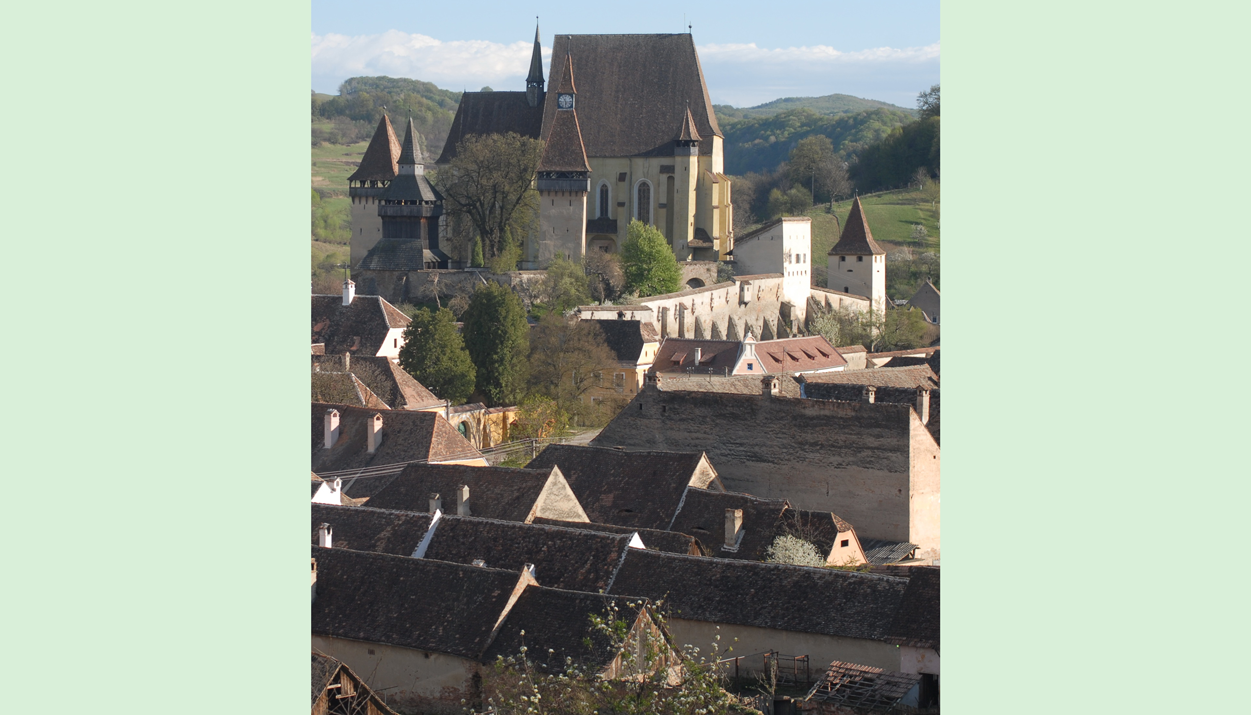
Biertan. The Village and the fortified church

  • Biertan. The Village and the fortified church
    Biertan. The Village and the fortified church
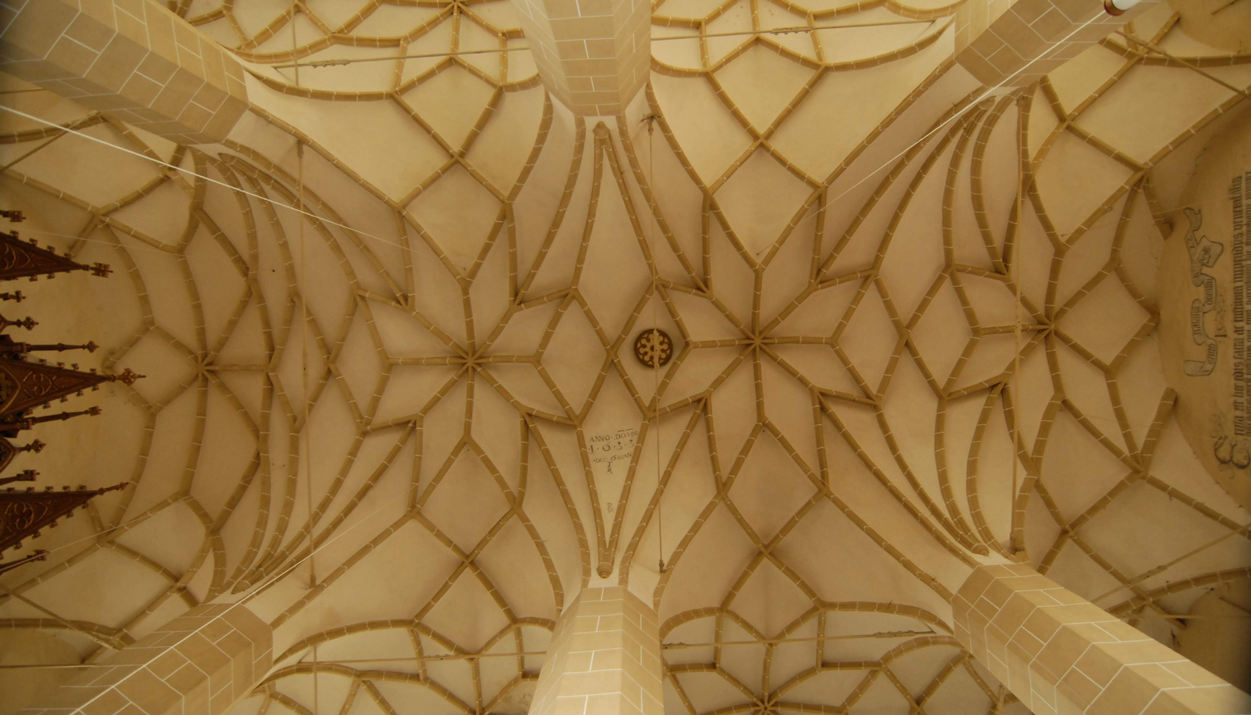
  • The late-Gothic vault of the fortified church in Biertan
    The late-Gothic vault of the fortified church in Biertan

Satul este atestat documentar la 1283. Biserica-hală, gotică târzie cu elemente de renaştere (înc. sec. XVI), este înconjurată de trei incinte fortificate (sec. XVI). În biserică sunt păstrate valoroase piese de mobilier de cult ex. altarul poliptic (1483 şi 1515), amvon, strane (începutul sec. XVI).

Villages with Fortified Churches in Dobrogea 3

  • Danube Delta.Biodiversity
    Danube Delta.Biodiversity
  • Danube Delta.Biodiversity Lorem ipsum tons of texts Danube Delta.Biodiversity Lorem ipsum tons of texts Danube Delta.Biodiversity Lorem ipsum tons of texts
    Danube Delta.Biodiversity Lorem ipsum tons of texts Danube Delta.Biodiversity Lorem ipsum tons of texts Danube Delta.Biodiversity Lorem ipsum tons of texts

1999
Ref: 906

Criterion

Criterion (ii) The Dacian fortresses represent the fusion of techniques and concepts of military architecture from inside and outside the classical world to create a unique style.

Criterion (iii) The Geto-Dacian kingdoms of the late 1st millennium BC attained an exceptionally high cultural and socio-economic level, and this is symbolized by this group of fortresses.

Criterion (iv) The hill-fort and its evolved successor, the oppidum, were characteristic of the Late Iron Age in Europe, and the Dacian fortresses are outstanding examples of this type of defended site.

The Dacian civilization

The fortresses of the Orăștie Mountains are a remarkable group of Iron Age fortified sites, developed as religious and political power centres of the Dacian state. The extensive and surprisingly preserved remains are set in a spectacular natural environment, in the central and western sector of the Orăștie Mountains, concentrated around the basin of the Grădiștea River (Apa Oraşului). Built between the 1st century BC and 1st century AD, these mountain strongholds show an exceptional and spectacular fusion of military and religious architectural techniques and concepts from the Classical World and the late European Iron Age. The six

fortresses, making up the nucleus of the Dacian Kingdom, were conquered by the Romans at the beginning of the 2nd century AD. Their extensive and relatively well-preserved remains stand in spectacular natural surroundings and give a dramatic picture of an outstanding civilisation.

The Dacian civilization, reveals its exceptional historical value (as expressed in the concept of fortified mountains) and exceptional aesthetic value (with the remarkable suggestion of the sacred and impenetrable space of the divine) in the fortresses from the Orăștie Mountains: a grandiose, imposing architecture which used refined decorative effects – a monumental stone architecture, combined with wooden and mudbrick elements. The rhythm of the columns of the sanctuaries, the dwelling towers located at the highest places of the fortresses, in perfect resonance with the surrounding natural environment, single out this ancient civilization. Dacia became a Roman Imperial province in 106 AD – this campaign is graphically depicted in sculpted reliefs un­folding around Trajan’s Column in Rome – and its fortresses were slighted.

Results

As a result of the fortresses being abandoned after 274 AD and never being reoccupied, the authenticity of the remains is exceptional, in spite of the nature re­bound and some dilapidation during history.

Villages with Fortified Churches in Moldova

  • Danube Delta.Biodiversity
    Danube Delta.Biodiversity
  • Danube Delta.Biodiversity Lorem ipsum tons of texts Danube Delta.Biodiversity Lorem ipsum tons of texts Danube Delta.Biodiversity Lorem ipsum tons of texts
    Danube Delta.Biodiversity Lorem ipsum tons of texts Danube Delta.Biodiversity Lorem ipsum tons of texts Danube Delta.Biodiversity Lorem ipsum tons of texts

1999
Ref: 906

Criterion

Criterion (ii) The Dacian fortresses represent the fusion of techniques and concepts of military architecture from inside and outside the classical world to create a unique style.

Criterion (iii) The Geto-Dacian kingdoms of the late 1st millennium BC attained an exceptionally high cultural and socio-economic level, and this is symbolized by this group of fortresses.

Criterion (iv) The hill-fort and its evolved successor, the oppidum, were characteristic of the Late Iron Age in Europe, and the Dacian fortresses are outstanding examples of this type of defended site.

The Dacian civilization

The fortresses of the Orăștie Mountains are a remarkable group of Iron Age fortified sites, developed as religious and political power centres of the Dacian state. The extensive and surprisingly preserved remains are set in a spectacular natural environment, in the central and western sector of the Orăștie Mountains, concentrated around the basin of the Grădiștea River (Apa Oraşului). Built between the 1st century BC and 1st century AD, these mountain strongholds show an exceptional and spectacular fusion of military and religious architectural techniques and concepts from the Classical World and the late European Iron Age. The six

fortresses, making up the nucleus of the Dacian Kingdom, were conquered by the Romans at the beginning of the 2nd century AD. Their extensive and relatively well-preserved remains stand in spectacular natural surroundings and give a dramatic picture of an outstanding civilisation.

The Dacian civilization, reveals its exceptional historical value (as expressed in the concept of fortified mountains) and exceptional aesthetic value (with the remarkable suggestion of the sacred and impenetrable space of the divine) in the fortresses from the Orăștie Mountains: a grandiose, imposing architecture which used refined decorative effects – a monumental stone architecture, combined with wooden and mudbrick elements. The rhythm of the columns of the sanctuaries, the dwelling towers located at the highest places of the fortresses, in perfect resonance with the surrounding natural environment, single out this ancient civilization. Dacia became a Roman Imperial province in 106 AD – this campaign is graphically depicted in sculpted reliefs un­folding around Trajan’s Column in Rome – and its fortresses were slighted.

Results

As a result of the fortresses being abandoned after 274 AD and never being reoccupied, the authenticity of the remains is exceptional, in spite of the nature re­bound and some dilapidation during history.

Villages with Fortified Churches in Dobrogea 1

  • Danube Delta.Biodiversity
    Danube Delta.Biodiversity
  • Danube Delta.Biodiversity Lorem ipsum tons of texts Danube Delta.Biodiversity Lorem ipsum tons of texts Danube Delta.Biodiversity Lorem ipsum tons of texts
    Danube Delta.Biodiversity Lorem ipsum tons of texts Danube Delta.Biodiversity Lorem ipsum tons of texts Danube Delta.Biodiversity Lorem ipsum tons of texts

1999
Ref: 906

Criterion

Criterion (ii) The Dacian fortresses represent the fusion of techniques and concepts of military architecture from inside and outside the classical world to create a unique style.

Criterion (iii) The Geto-Dacian kingdoms of the late 1st millennium BC attained an exceptionally high cultural and socio-economic level, and this is symbolized by this group of fortresses.

Criterion (iv) The hill-fort and its evolved successor, the oppidum, were characteristic of the Late Iron Age in Europe, and the Dacian fortresses are outstanding examples of this type of defended site.

The Dacian civilization

The fortresses of the Orăștie Mountains are a remarkable group of Iron Age fortified sites, developed as religious and political power centres of the Dacian state. The extensive and surprisingly preserved remains are set in a spectacular natural environment, in the central and western sector of the Orăștie Mountains, concentrated around the basin of the Grădiștea River (Apa Oraşului). Built between the 1st century BC and 1st century AD, these mountain strongholds show an exceptional and spectacular fusion of military and religious architectural techniques and concepts from the Classical World and the late European Iron Age. The six

fortresses, making up the nucleus of the Dacian Kingdom, were conquered by the Romans at the beginning of the 2nd century AD. Their extensive and relatively well-preserved remains stand in spectacular natural surroundings and give a dramatic picture of an outstanding civilisation.

The Dacian civilization, reveals its exceptional historical value (as expressed in the concept of fortified mountains) and exceptional aesthetic value (with the remarkable suggestion of the sacred and impenetrable space of the divine) in the fortresses from the Orăștie Mountains: a grandiose, imposing architecture which used refined decorative effects – a monumental stone architecture, combined with wooden and mudbrick elements. The rhythm of the columns of the sanctuaries, the dwelling towers located at the highest places of the fortresses, in perfect resonance with the surrounding natural environment, single out this ancient civilization. Dacia became a Roman Imperial province in 106 AD – this campaign is graphically depicted in sculpted reliefs un­folding around Trajan’s Column in Rome – and its fortresses were slighted.

Results

As a result of the fortresses being abandoned after 274 AD and never being reoccupied, the authenticity of the remains is exceptional, in spite of the nature re­bound and some dilapidation during history.

Ancient and Primeval Beech Forest of the Carpathians and Other Regions of Europe

  • Primeval Beech Forest of the Carpathians
    Primeval Beech Forest of the Carpathians

2007, 2011, 2017/ Ref: 1133ter
Albania, Austria, Belgium, Bulgaria, Croatia, Germany, Italy, Romania, Slovakia, Slovenia, Spain, Ukraine

Criterion

CRITERION (ix) The serial nomination “Ancient Primeval Beech Forests of the Carpathians and Other Regions of Europe” comprises outstanding examples of the evolutionary and developmental processes of beech forests since the last glacial period, giving rise to a terrestrial ecosystem that has shaped an entire continent in a globally unique manner. In addition to the “Primeval Beech Forests of the Carpathians and Ancient Beech Forests of Germany”, the newly nominated beech forests in 77 component parts in 12 countries will enhance the existing World Heritage property to give an overall and comprehensive picture of the European postglacial development process of beech forest. With this extension, all glacial refuge areas and genotypes of beech are covered. The basic line of arguments in the nomination of the existing property remains mainly unchanged.

Ancient and Primeval Beech Forests of the Carpathians and Other Regions of Europe

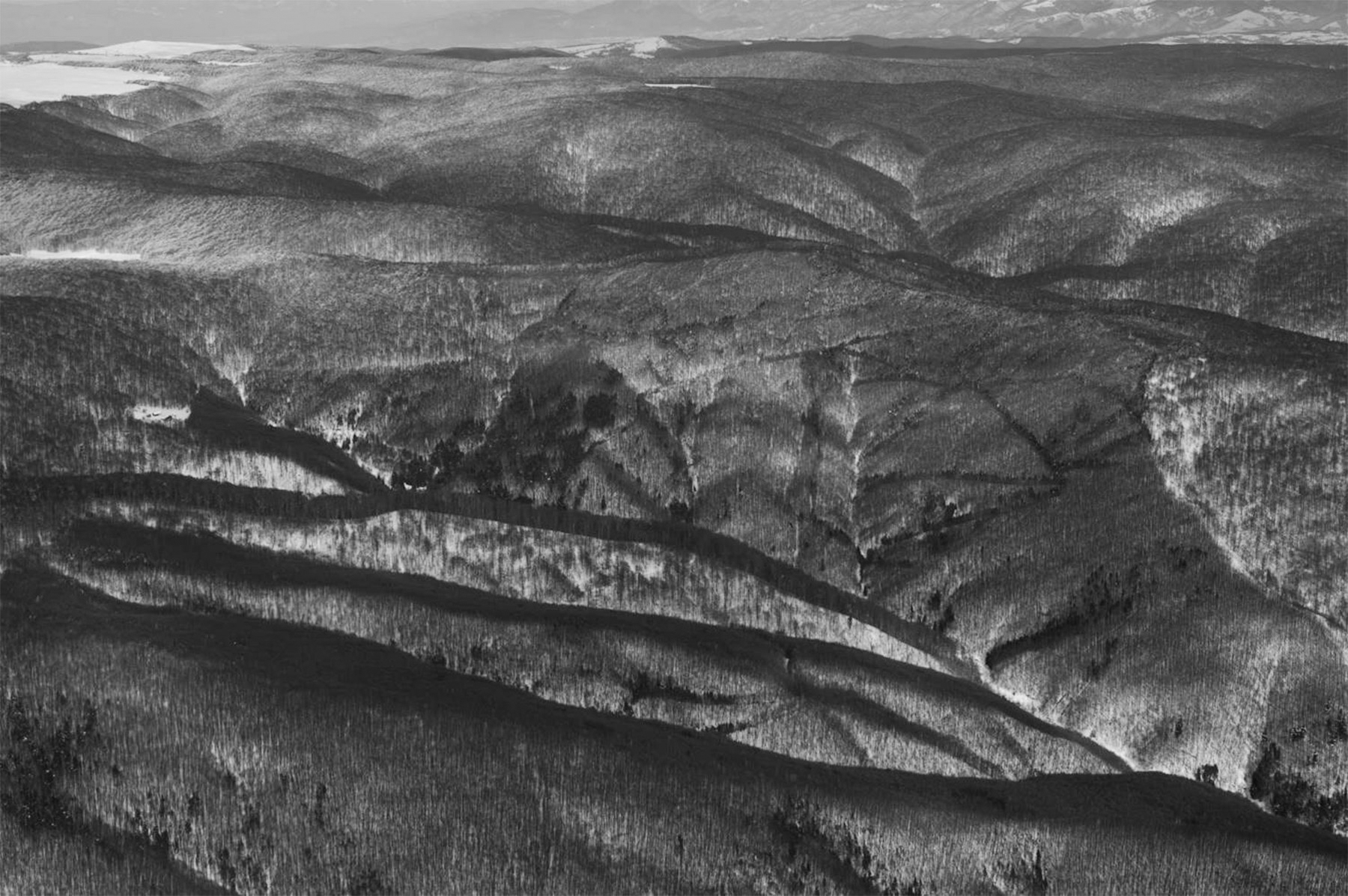
This transboundary property is indispensable to understand the ongoing history and evolution of the species Fagus sylvatica which, given its wide distribution in the Northern Hemisphere and its ecological importance, is globally significant. These best-preserved, complex temperate forests exhibit the most complete and comprehensive ecological patterns and processes of pure and mixed stands of European beech across a variety of environmental conditions, such as climatic and geological conditions, throughout all relevant European Beech Forest Regions.

They comprise all altitudinal zones from the coast up to the tree line in the mountains and, furthermore, include the best remaining examples of the outer boundaries of the beech forest range in Europe. Beech is one of the most important elements of forests in the Temperate Broadleaf Forest Biome and represents an outstanding example of the re-colonization and development of terrestrial ecosystems and communities since the last Ice Age. The continuing northern and westward expansion of beech from its original glacial refuge areas to the eastern and southern parts of Europe can be tracked along natural corridors spanning the continent. Both past and present patterns of distribution represent natural evolutionary strategies for adapting to the environmental changes. The dominance of beech across extensive areas of Europe is a living testimony of the tree’s genetic adaptability.

The „Ancient and Primeval Beech Forests of the Carpathians and other Regions of Europe“ are a serial transboundary property comprising in total 77 component parts, covering over 92 000 ha, and stretches over 12 countries.

Romania includes 12 component parts which together cover one of the largest area of the property, over 23,000 ha, located in eight protected natural areas: Izvoarele Nerei, Cheile Nerei-Beușniţa, Domogled-Valea Cernei (Caraș Severin), Masivul Cozia, Lotrișor (Vâlcea), Codrul secular Șinca (Brașov), Codrul secular Slătioara (Suceava), Groșii Ţibleșului and Strâmbu Băiuţ (Maramureș).

Romania has the world’s largest area of European beech forests (Fagus syvatica) and the Carpathians are home of the best-preserved forests from the entire distribution range of the species. These constitute a true living treasure from the scientific, educational, environmental and of the biodiversity point of view.

Danube Delta

  • Danube Delta
    Danube Delta

1991/ Ref: 588

Criterion

CRITERIA (vii) (x) The Danube Delta is an outstanding example of a dynamic wetland ecosystem on a vast scale, unique both in its
European context and internationally. It is also a habitat complex of world value for certain rare and endangered species.

Danube Delta

The natural landscape of the Delta – structured mainly by the three river branches of the Danube that flow into the Black Sea in the easternmost region of Romania– is consisting of a mosaic of river branches, channels, lakes of different types and sizes, reed beds, sand dunes, oak forests with Mediterranean vegetation. As the largest continuous marshland in Europe, the Danube Delta is an outstanding example of an important ecosystem and is of great importance for the conservation of diverse fauna and flora.

The Delta is a natural gene bank with inestimable value for the world’s natural heritage, with a high density of many species that are rare or extinct in
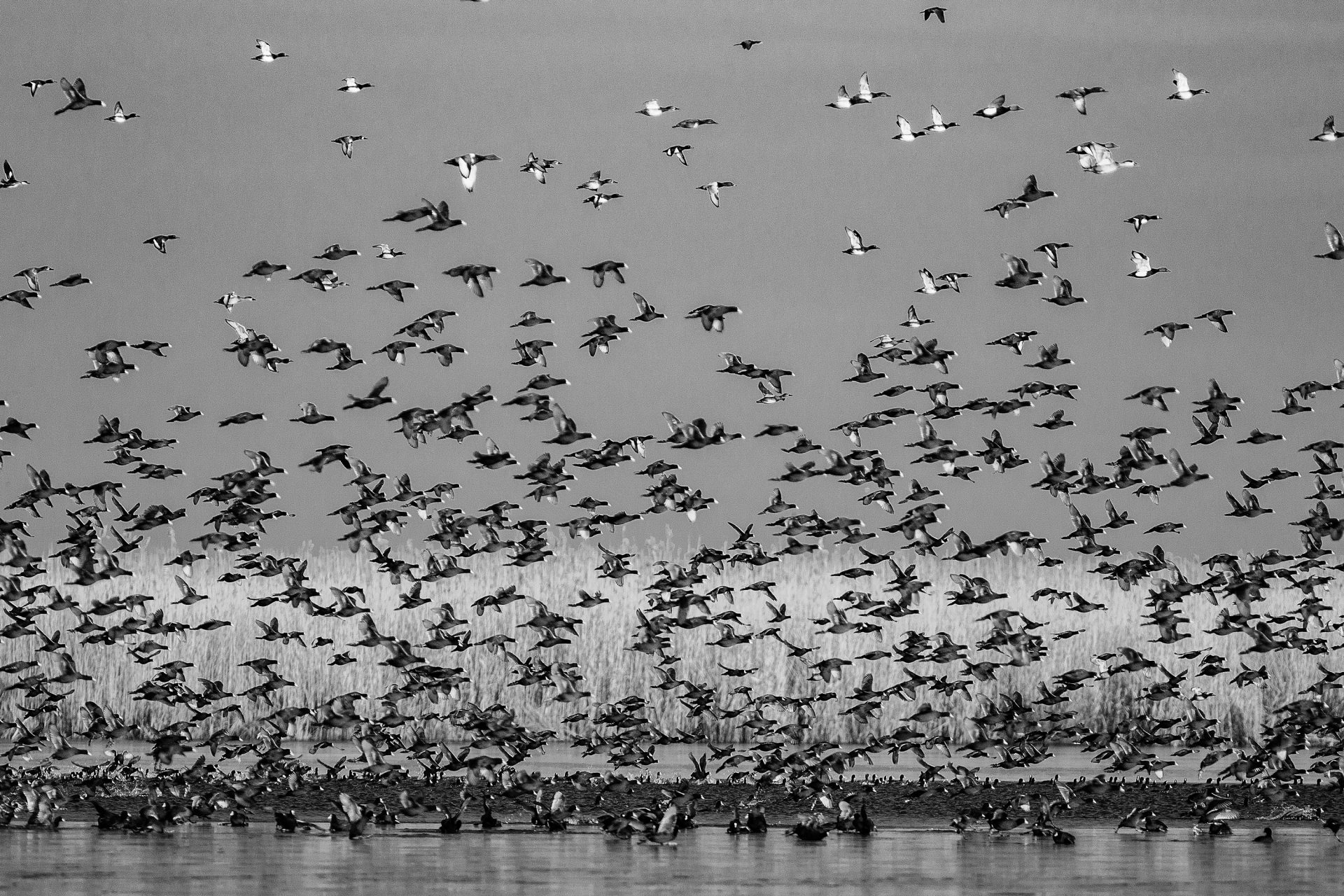
other European areas. Of the 341 species of birds found in the delta, 12 species have been declared monuments of nature because of their endangered status. For two of these (pygmy cormorant, red breasted geese) the Danube Delta supports the majority of the world population.

It has been recognized worldwide as nesting place for many other bird populations such as the White pelican and the Dalmatian pelican and hosts also important colonies of spoonbill and several nesting species of white-tailed eagle. The Danube Delta is a major stopover site (during spring and autumn) for millions of birds, especially ducks, white storks and numerous predators and the wintering host for huge groups of swans and geese. Also found in the delta are avocets, black-winged stilts, glossy ibises,
reed warblers, mute swans, plovers, grebes, marsh harriers, falcons, egrets and gulls, etc.

Delta’s special natural conditions have favored the development of human settlements since ancient times. People have adapted to local conditions
and formed many settlements (25 villages) spread throughout the entire delta, cultivating traditions and a rich culture that can still be observed on site. Houses and fisheries, specific to each major ethnic group living in this region (Romanian, Ukrainian, Russian-Lipovan), form an interesting inventory of vernacular reed roofed traditional architecture.

Besides being listed as World Heritage, the Danube Delta Biosphere Reserve was recognized as a Man and Biosphere (MAB) reserve and also as “wetland of international importance, especially as waterfowl habitat”, according to the Ramsar Convention.